

Hello, I'm Jessi, a concierge at ONE OF ONE. When we appraise secondhand Bulgari, early pieces from the 2000s sometimes arrive with stamps that look far rougher than anything Bulgari makes today, and at first glance they can look suspicious. Here is what to keep in mind when you see one.
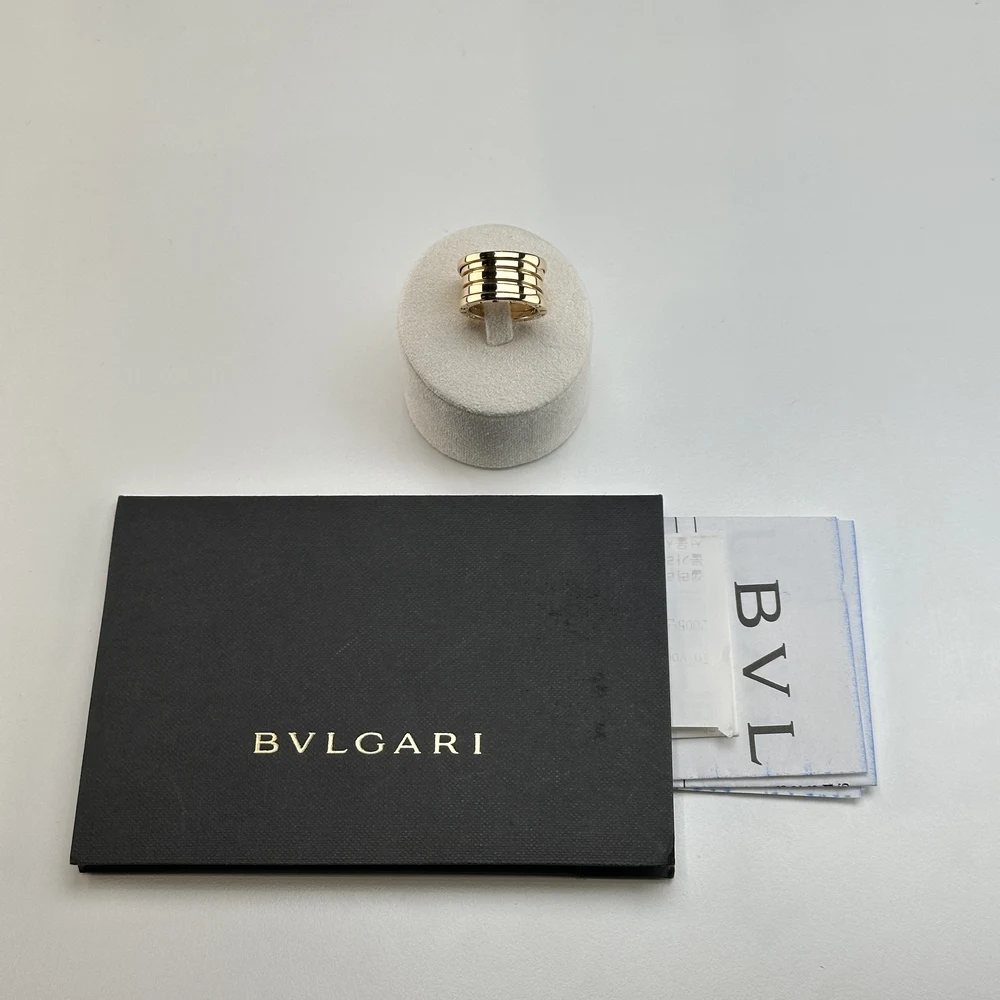
Hallmarks on current Bulgari pieces
On current pieces, the MADE IN ITALY mark sits crisply on a clean surface. The size, the 750 gold mark and the maker's mark are all sharp and evenly struck.
Hallmarks on early pieces
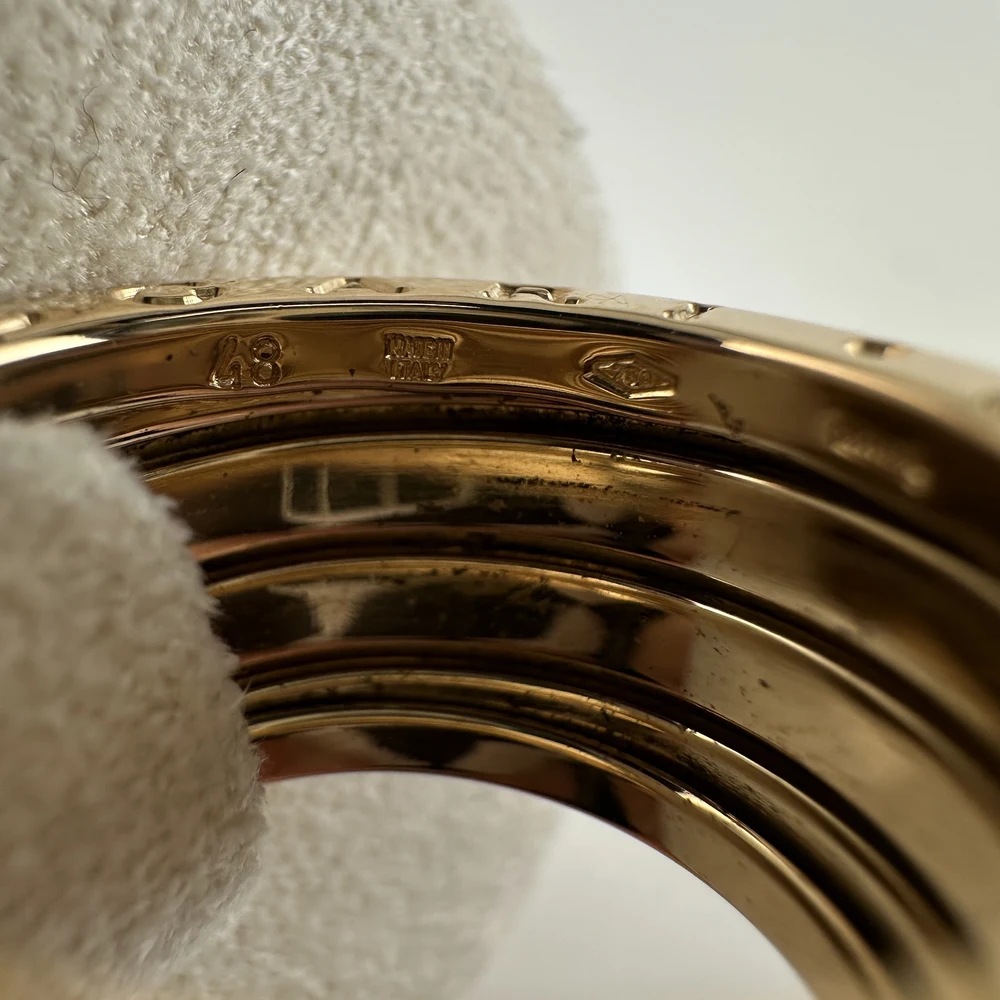
Older pieces can look quite different. The MADE IN ITALY stamp may leave a textured background around it, as if a stamp had been pressed into the metal. The strikes can be shallower, rougher and fainter than today's, and some pieces carry no serial number at all.
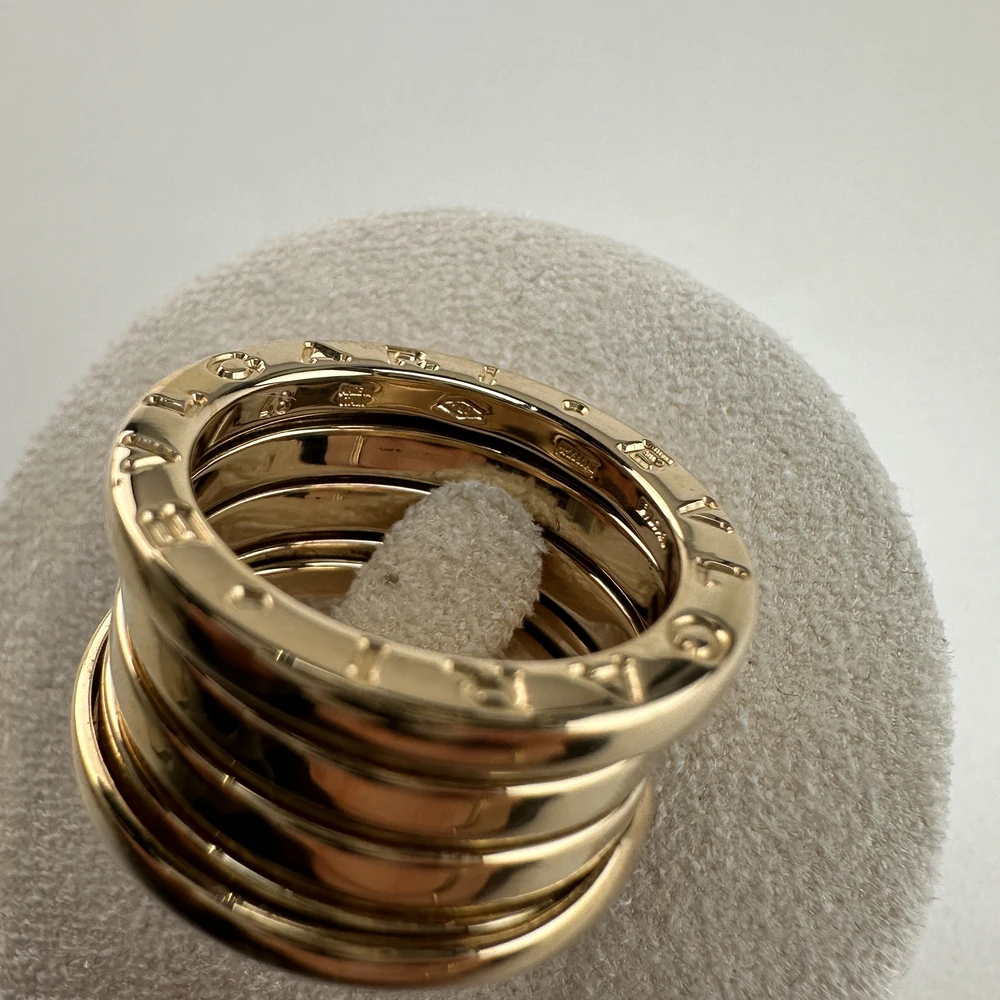
Why the difference?
Today Bulgari works within a systematic framework, with NFC warranty cards and carefully managed serial numbers, and its engraving is applied in one consistent, clear way. When these early pieces were made, no such system existed. That is why the quality of the stamps and the presence of a serial number vary so much from piece to piece. If you search overseas resale sites for early Bulgari, you will find plenty of pieces like this.
A real example
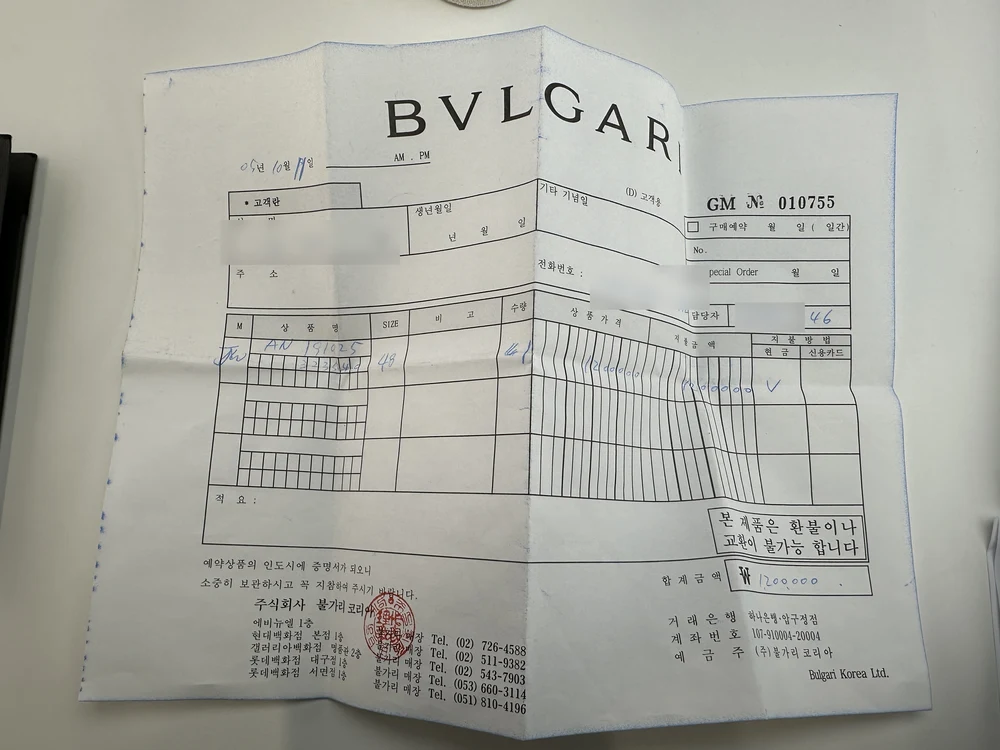
Recently a Bulgari B.zero1 four-band ring in size 48, bought in October 2005, came through our showroom. By today's standards its stamps were very crude, and it had no serial number. But the original Bulgari Korea invoice and the department store receipt were still with it. Both carried the same purchase date, 11 October 2005, and the size on the invoice matched the ring. It was not a fake.
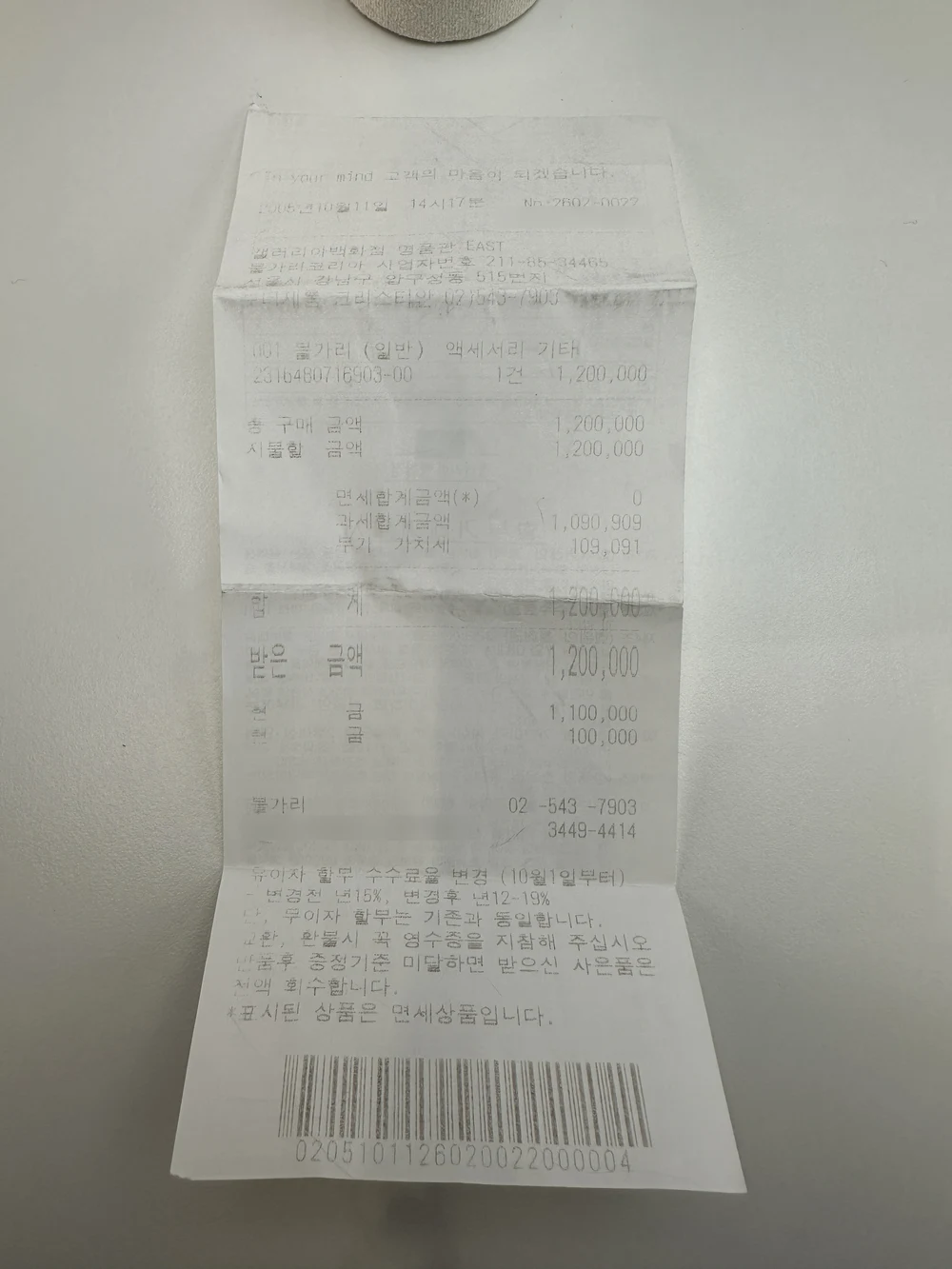
Another case: no serial number and no receipt
A Bulgari B.zero1 ring also came in recently. Like the early pieces above, it had no serial number, and its hallmarks were messy. To us it looked genuine, but it looked like an early-version piece.
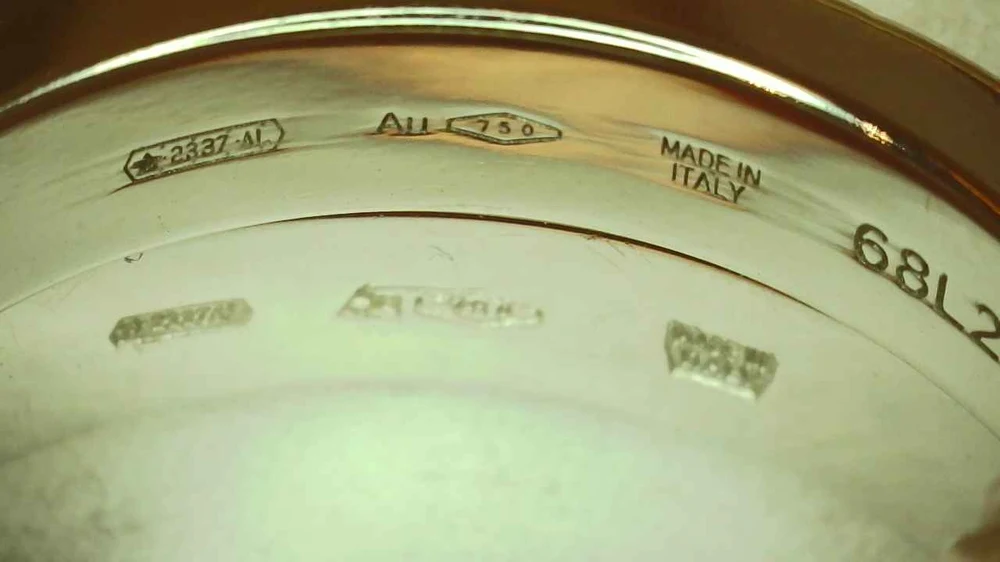
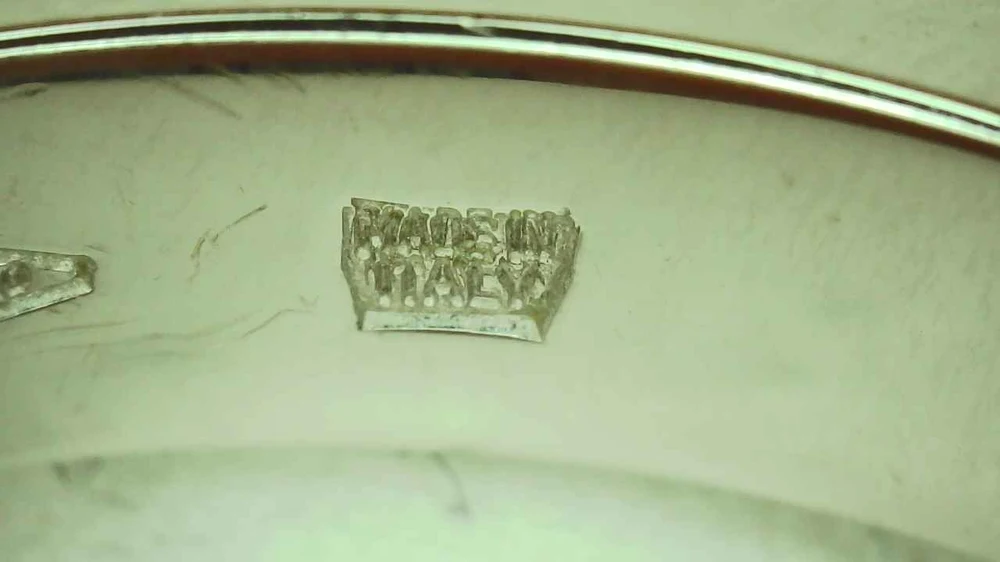
Many secondhand luxury dealers would call a piece like this fake. Even those who believe it is genuine may hesitate to buy it, because it is very hard to explain to the next buyer why there is no serial number and why the hallmarks differ from, and are cruder than, today's. With a receipt, it would have been fine. This ring came as a single item with no paperwork, so we declined to buy it as well.
The takeaway
Crude stamps alone do not make a Bulgari fake. We look at the era of the piece, its proof of purchase, the 750 gold mark and the overall construction together. For an older Bulgari, a clear proof of purchase is the strongest evidence you can have, so please keep your invoices and receipts.
At ONE OF ONE, we carefully examine these details to assess authenticity and preserve the value of exceptional pieces.
Visit ONE OF ONE for professional luxury authentication services. Contact: +82 10-8995-7062
Have a question about your jewelry?
For authentication, buying, selling, or any other question about your jewelry, please reach out to us below.
Chat with an Expert