

Recently we visited ZZER (只二), a pre-owned luxury store in Shenzhen. It was celebrating its 11th anniversary under the banner "Beyond a Decade," and it looked nothing like the resale shops we are used to.
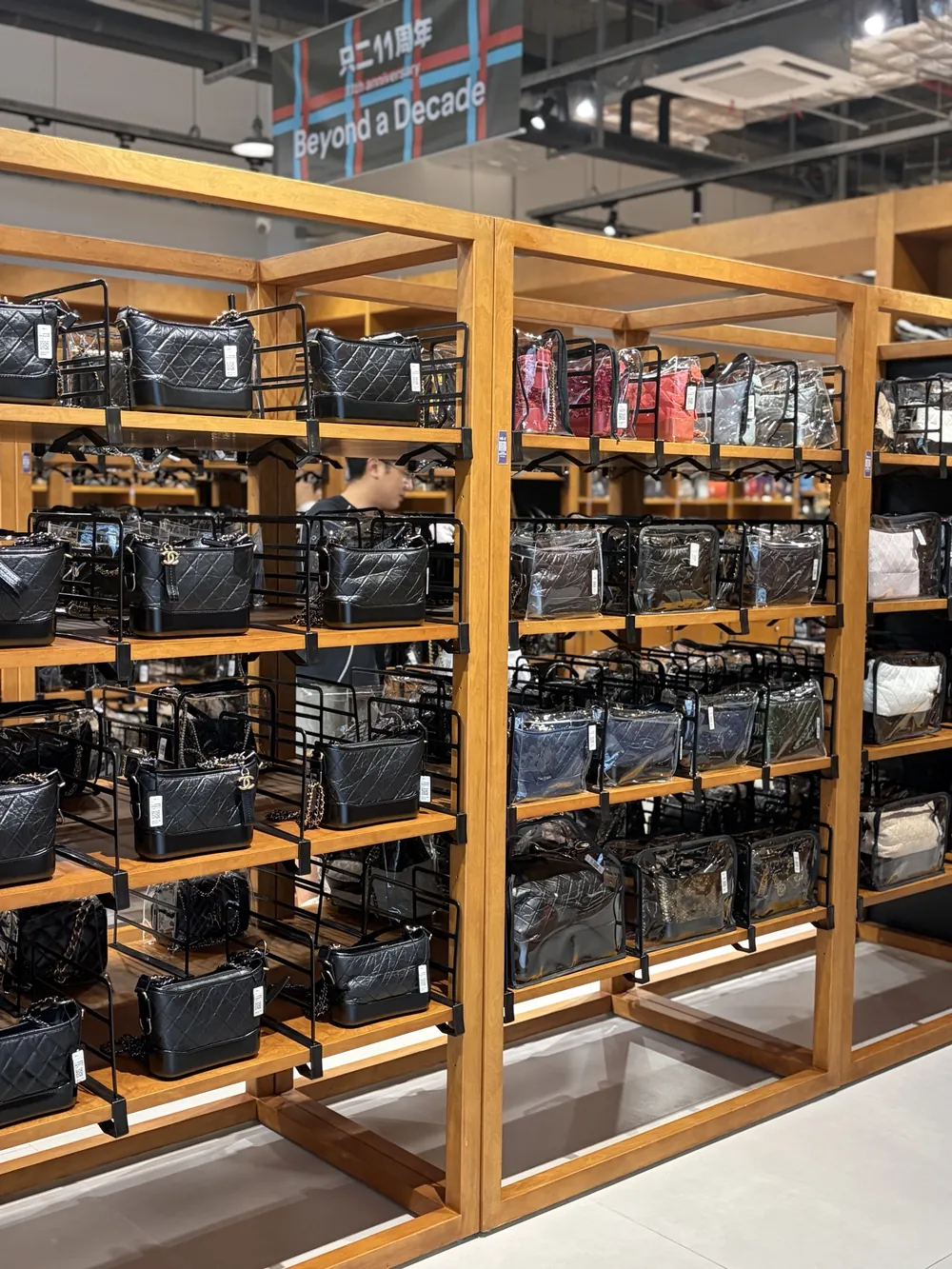
A warehouse, not a boutique
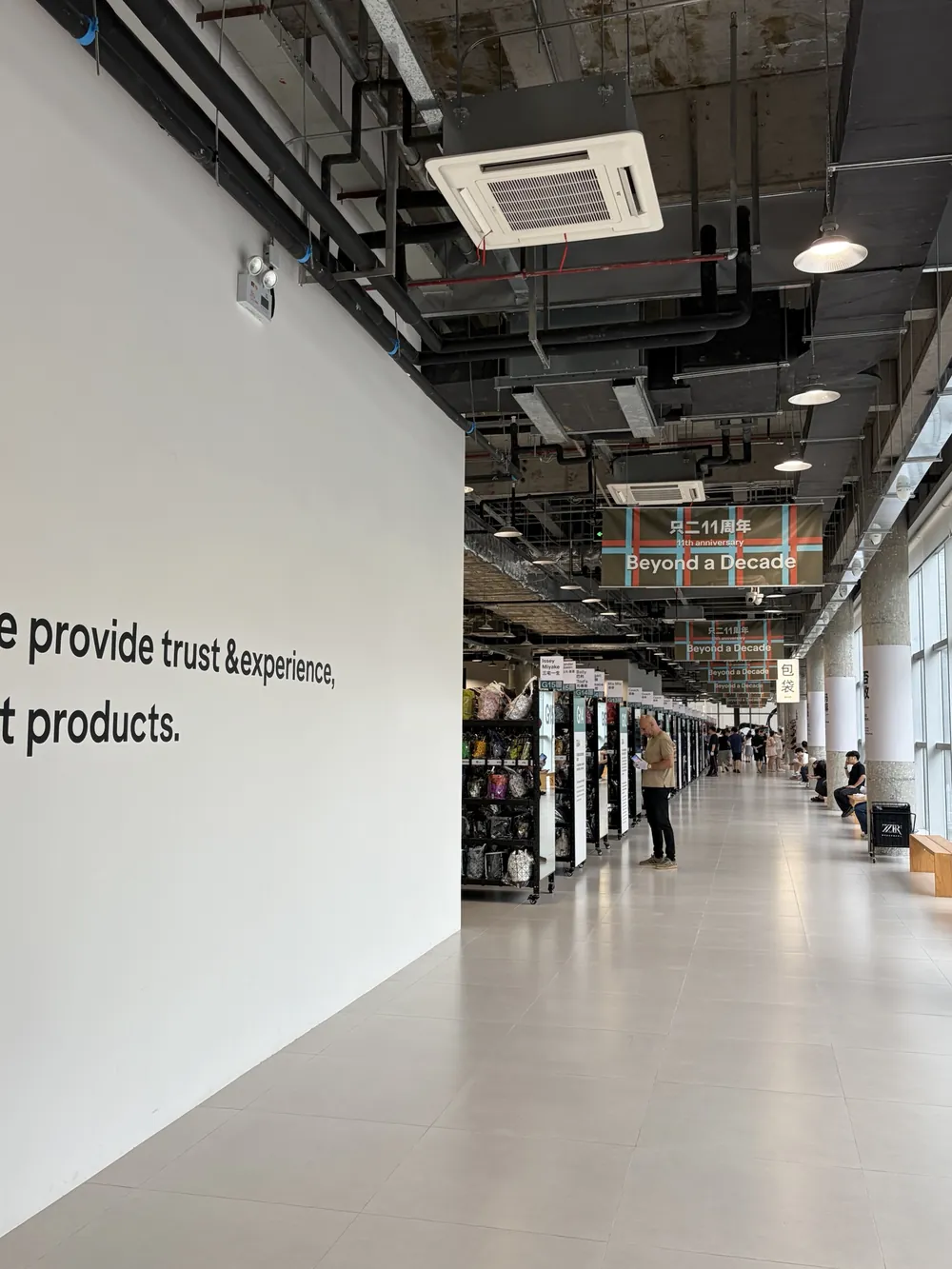
The space is industrial: exposed pipes overhead, long open aisles, and benches by the windows where shoppers can rest while they browse. Shelves are organized by brand and marked with codes such as G15, which was the Issey Miyake section. According to the sign inside, ZZER moved into this space in September 2023, and the Chinese text calls it a "transparent warehouse." The name itself puts transparency first.
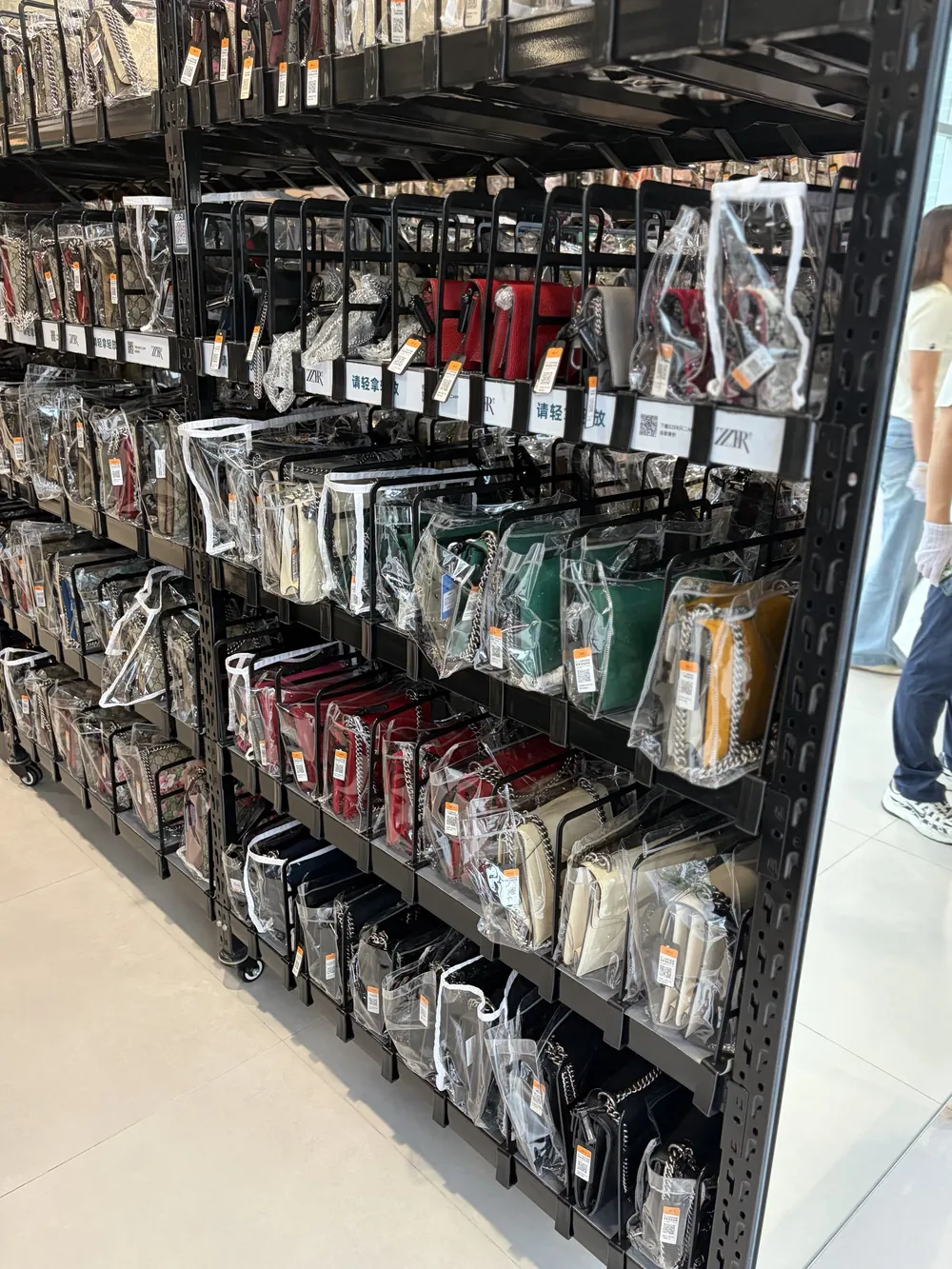
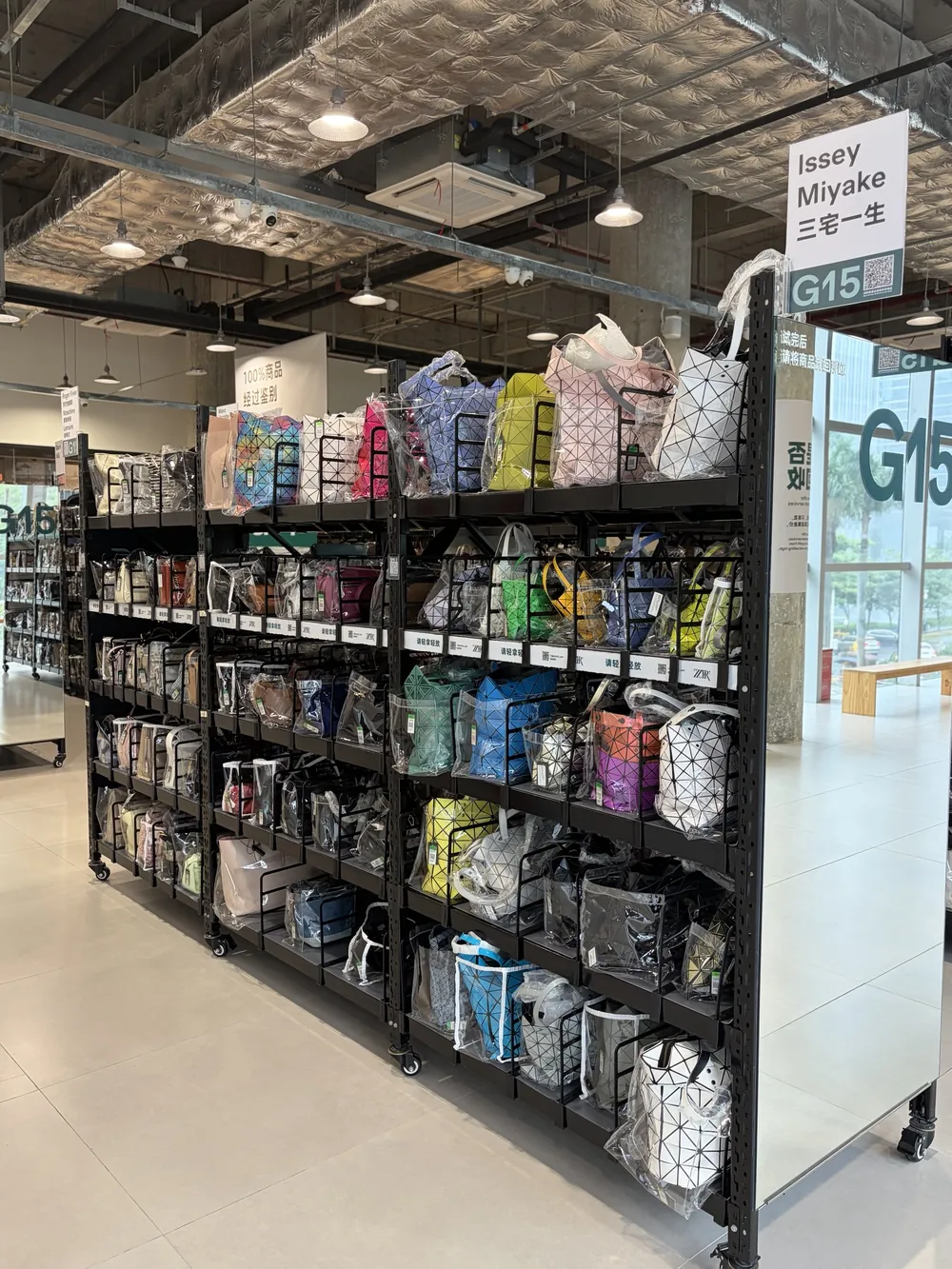
Why build a store this way? We see three likely reasons.
1. Showing the warehouse is how you show trust. A boutique shows you a few carefully chosen pieces. A warehouse says, "all of this inventory is really here." When the same model sits in a row and every piece is in a different condition, customers can compare for themselves and judge the item rather than the staging. It fits the sentence painted on the entrance wall: "We provide trust & experience, not products."
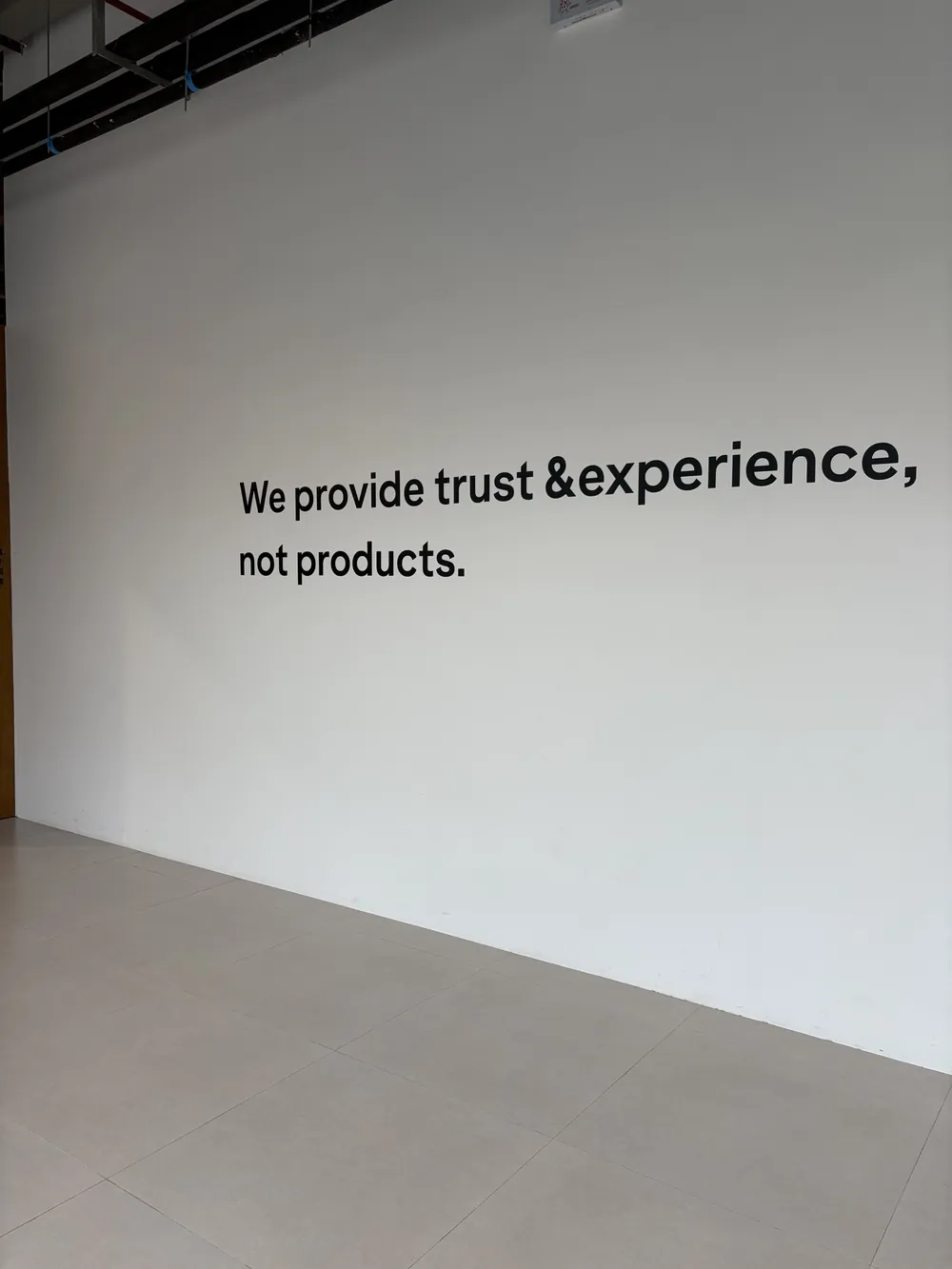
2. The cost structure seems built for price and turnover. Staff don't need to explain every item because the QR tag does it for them, and customers take items off the shelf and put them back themselves. The money that a boutique spends on atmosphere appears to go toward holding a large consignment inventory and moving it quickly.
3. The store may double as a logistics hub. Because everything runs through an app QR code, the items on the shelves may be the same stock sold online. We could not confirm this on site, so it is only our guess.
Put simply, a boutique makes a customer feel "this piece is special," while a warehouse makes a customer feel "this price and this information are fair." Even the benches seemed to say the same thing: stay, take your time, and choose.
A tag that explains itself
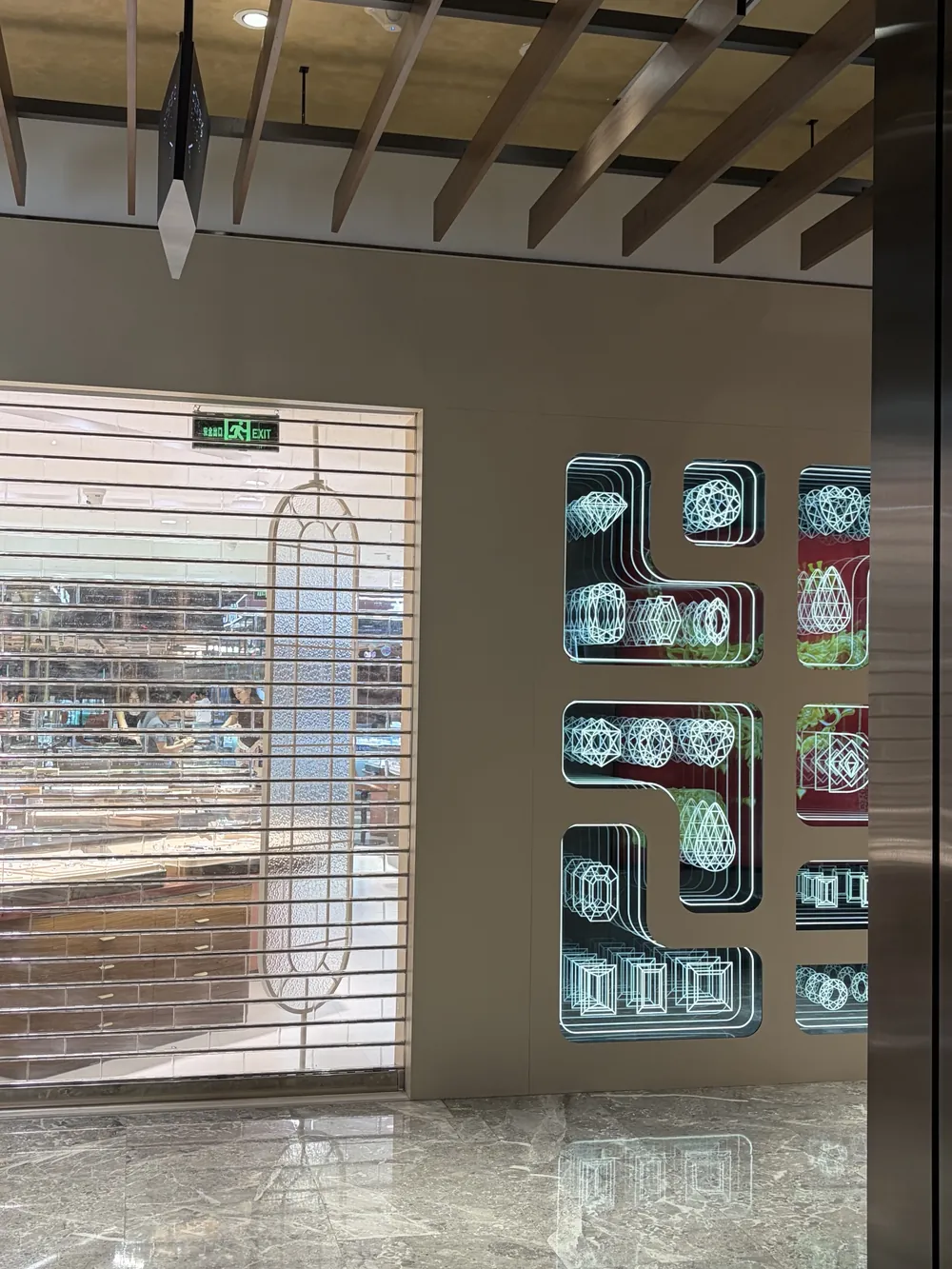
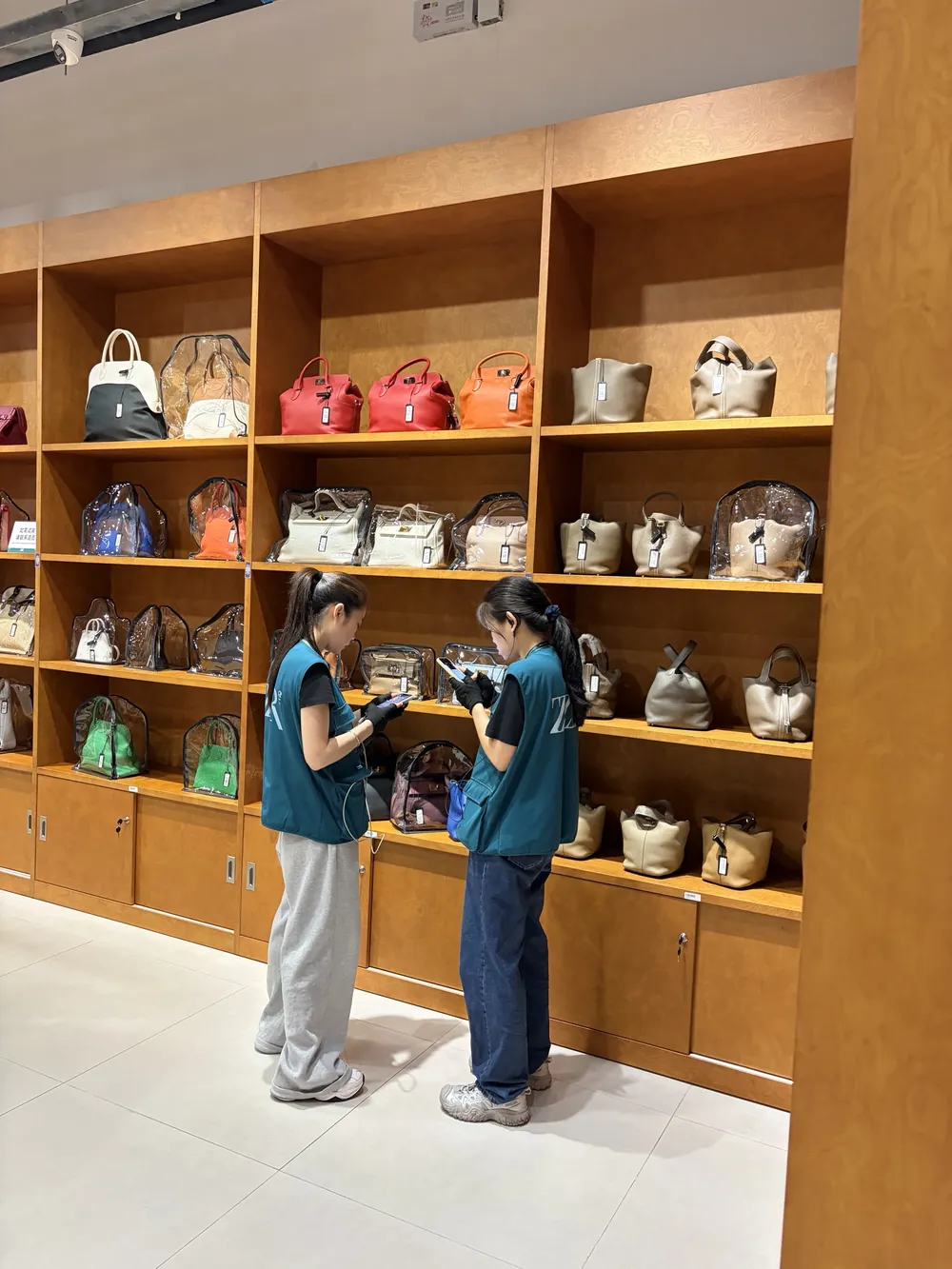
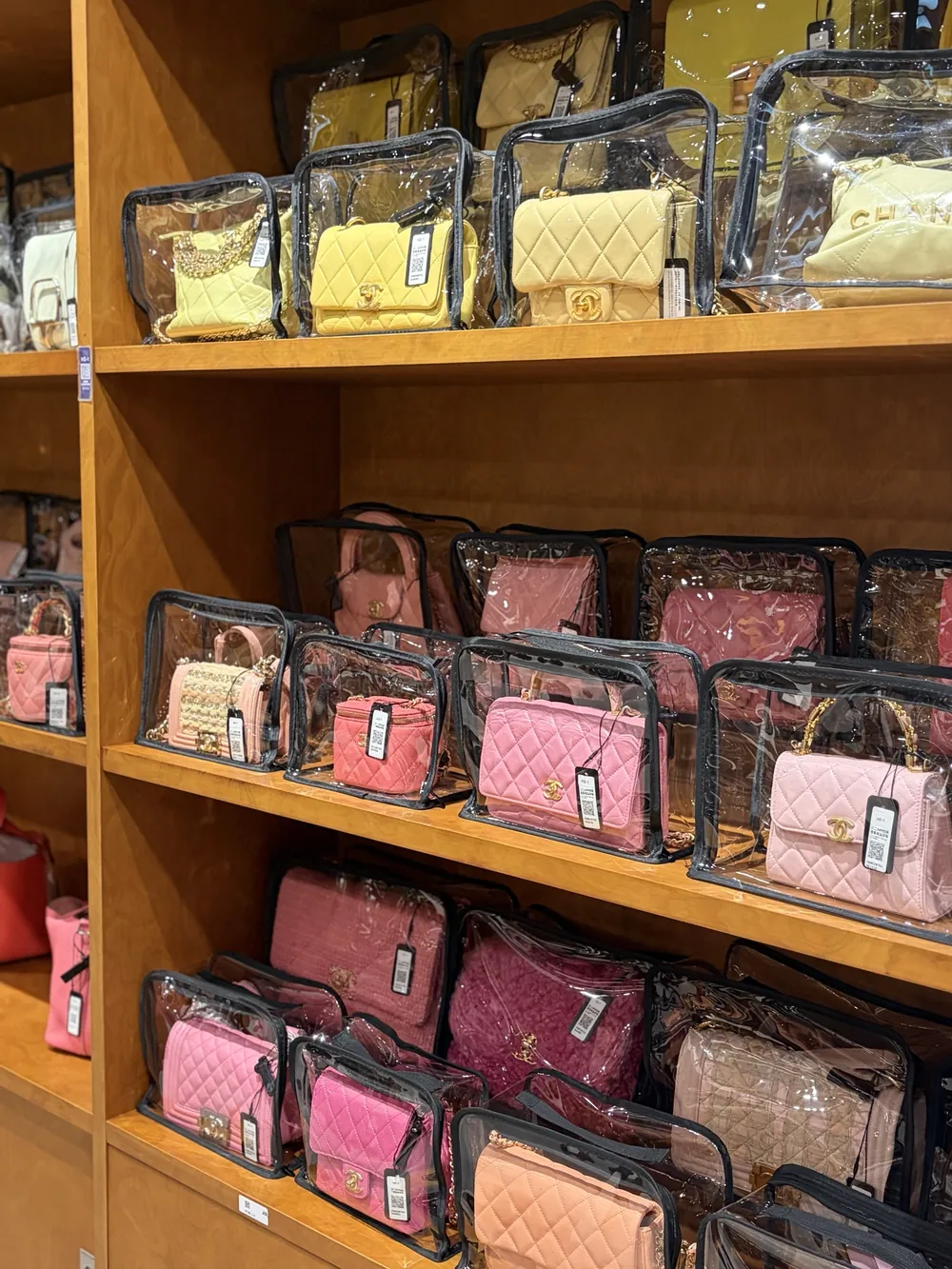
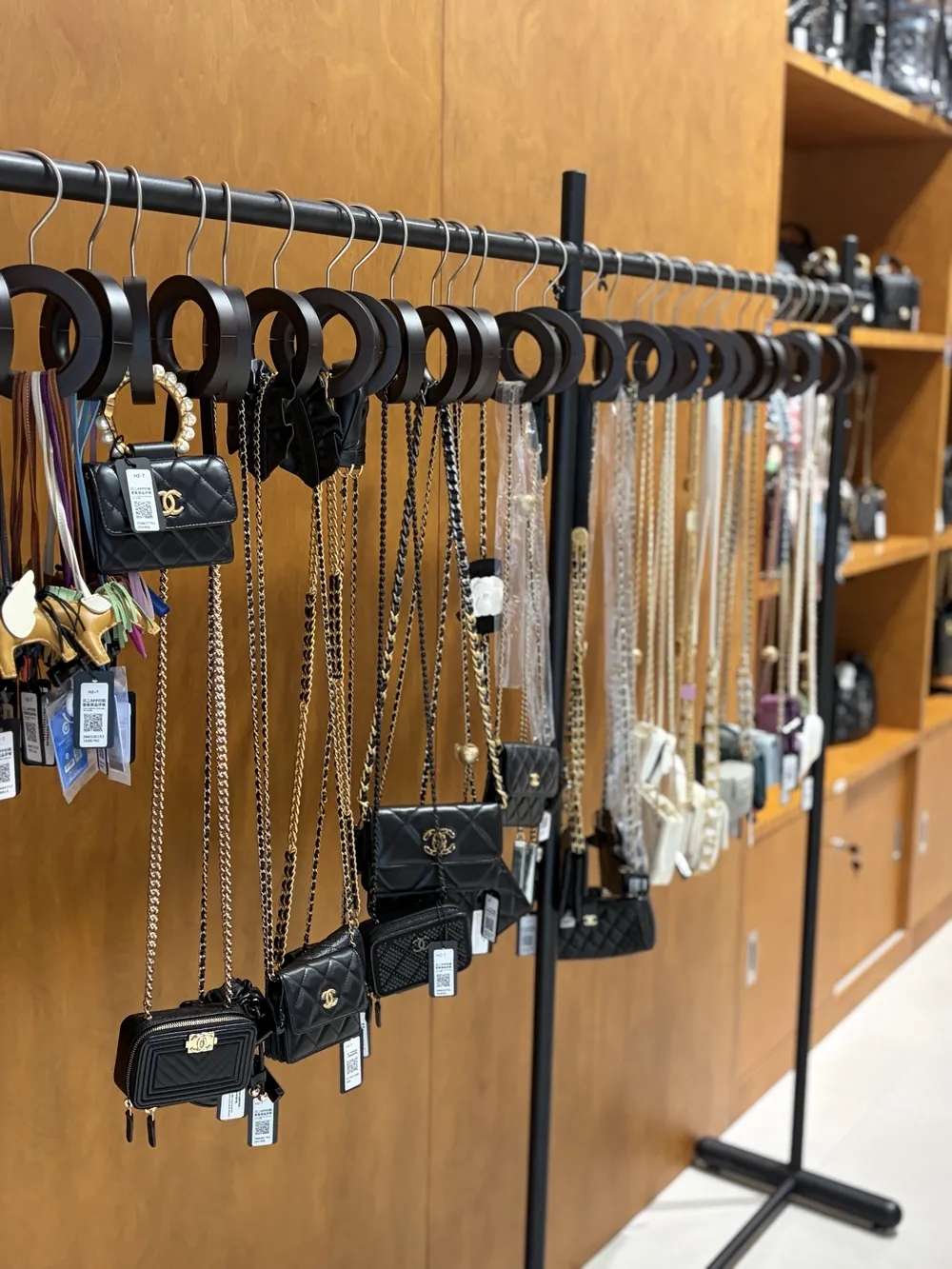
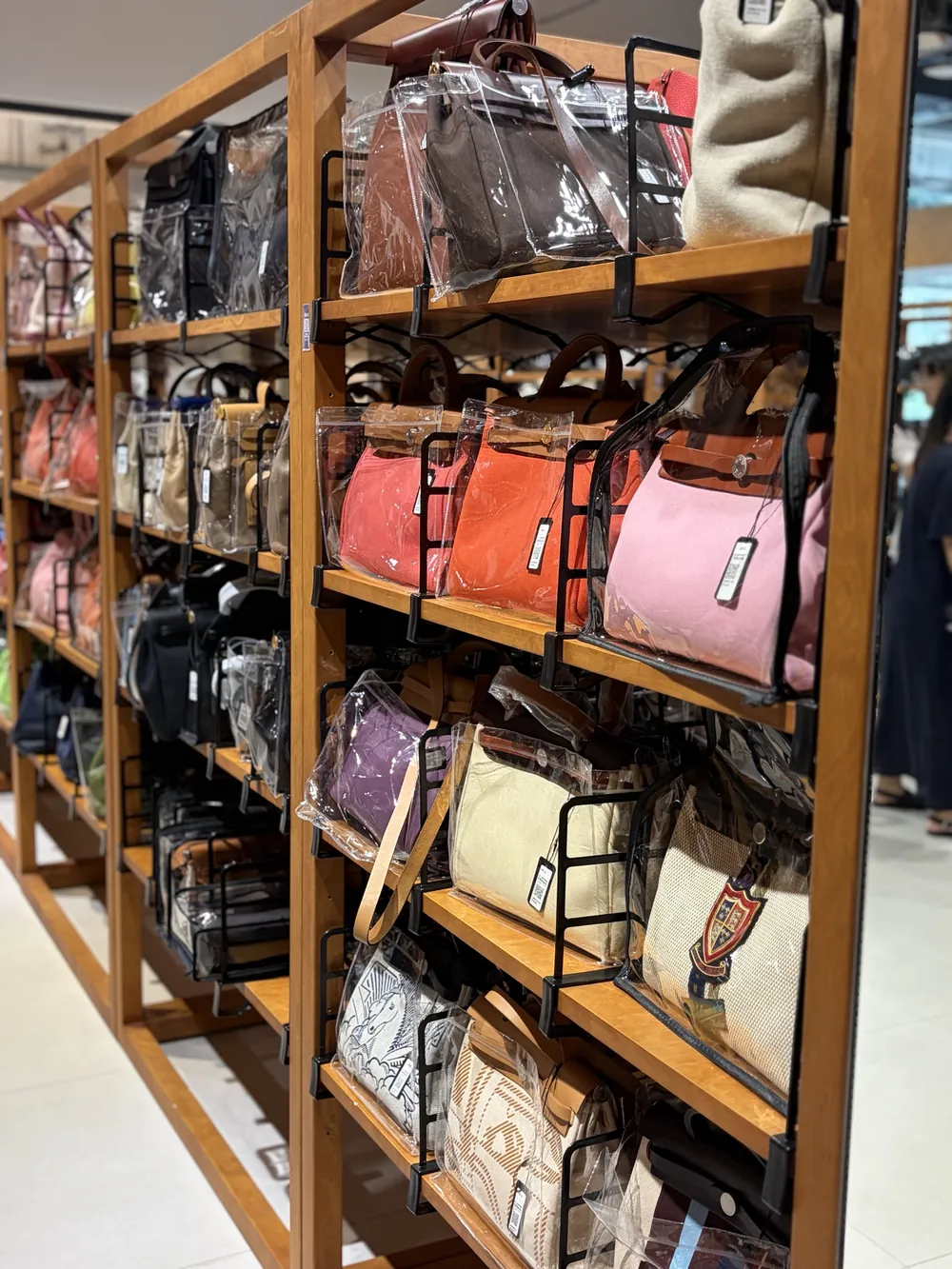
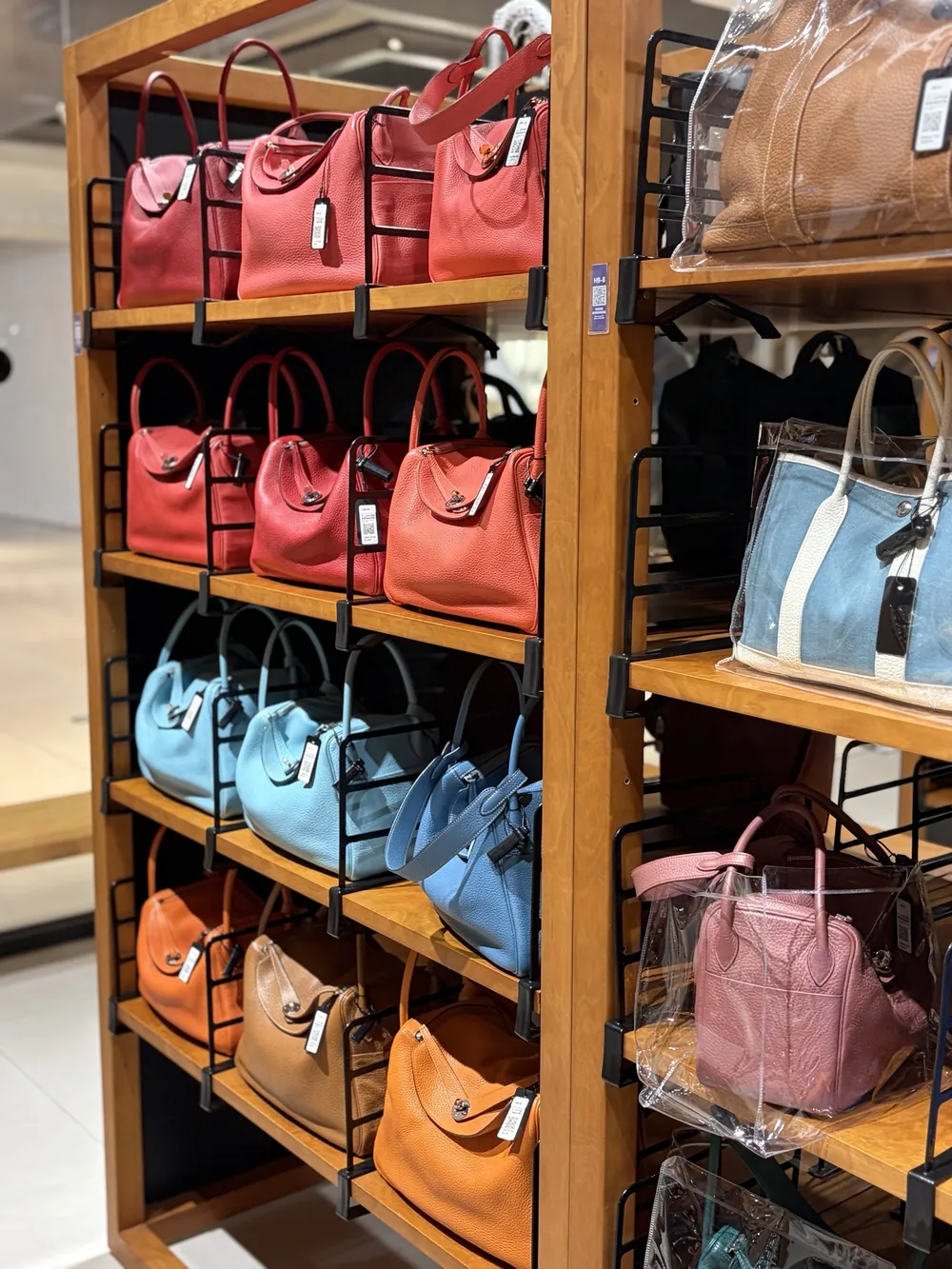
Every item, from a Louis Vuitton vanity case to a diamond necklace in its gift box, carries a tag with a QR code. Scanning it with the ZZER app opens the item's details, including whether all of its accessories are included. Staff in teal vests were scanning items with their phones too, and signs on the wall stated that every product has been authenticated. Bags sit in clear protective covers, and shelf labels ask shoppers to handle items gently.
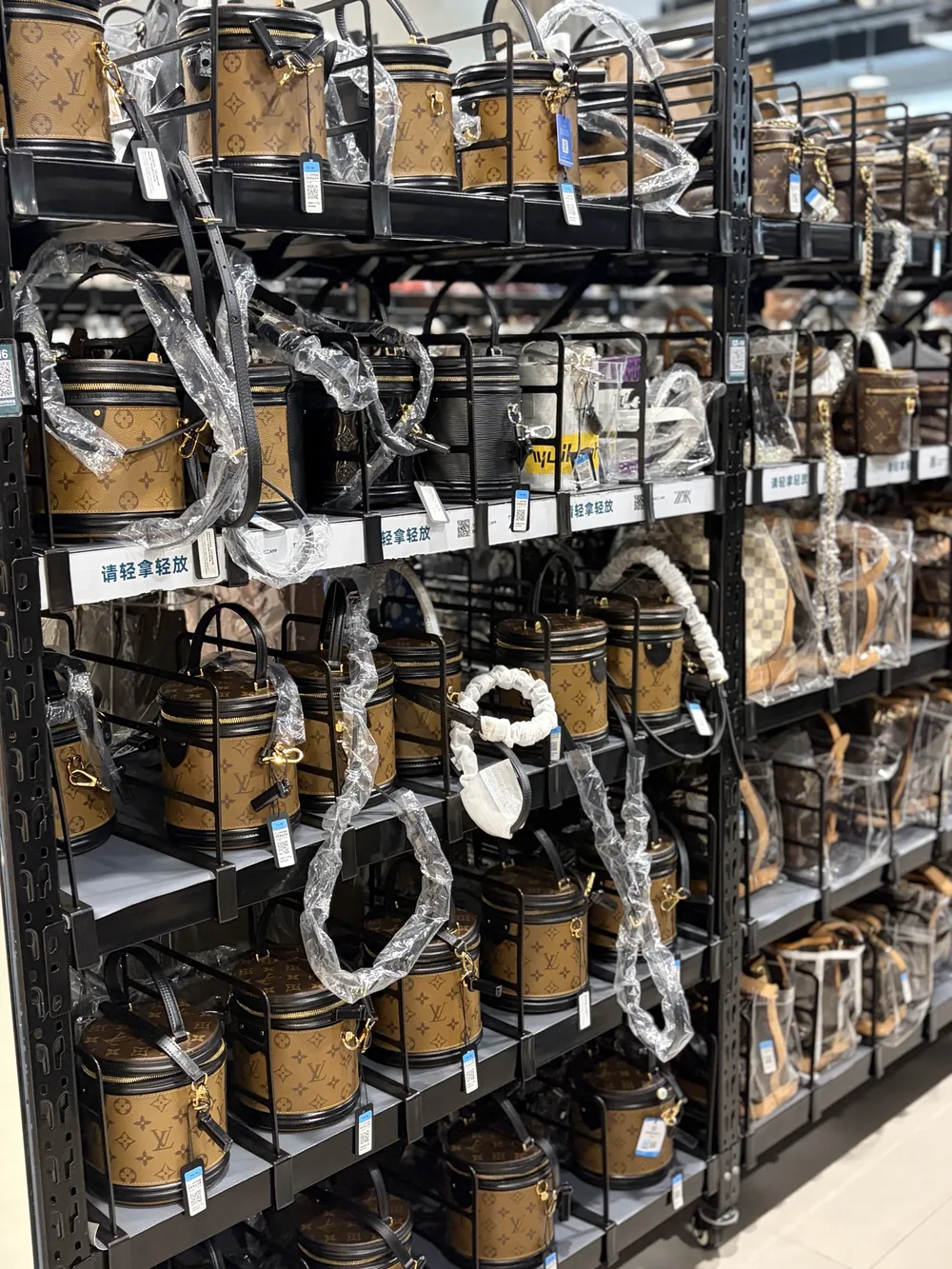
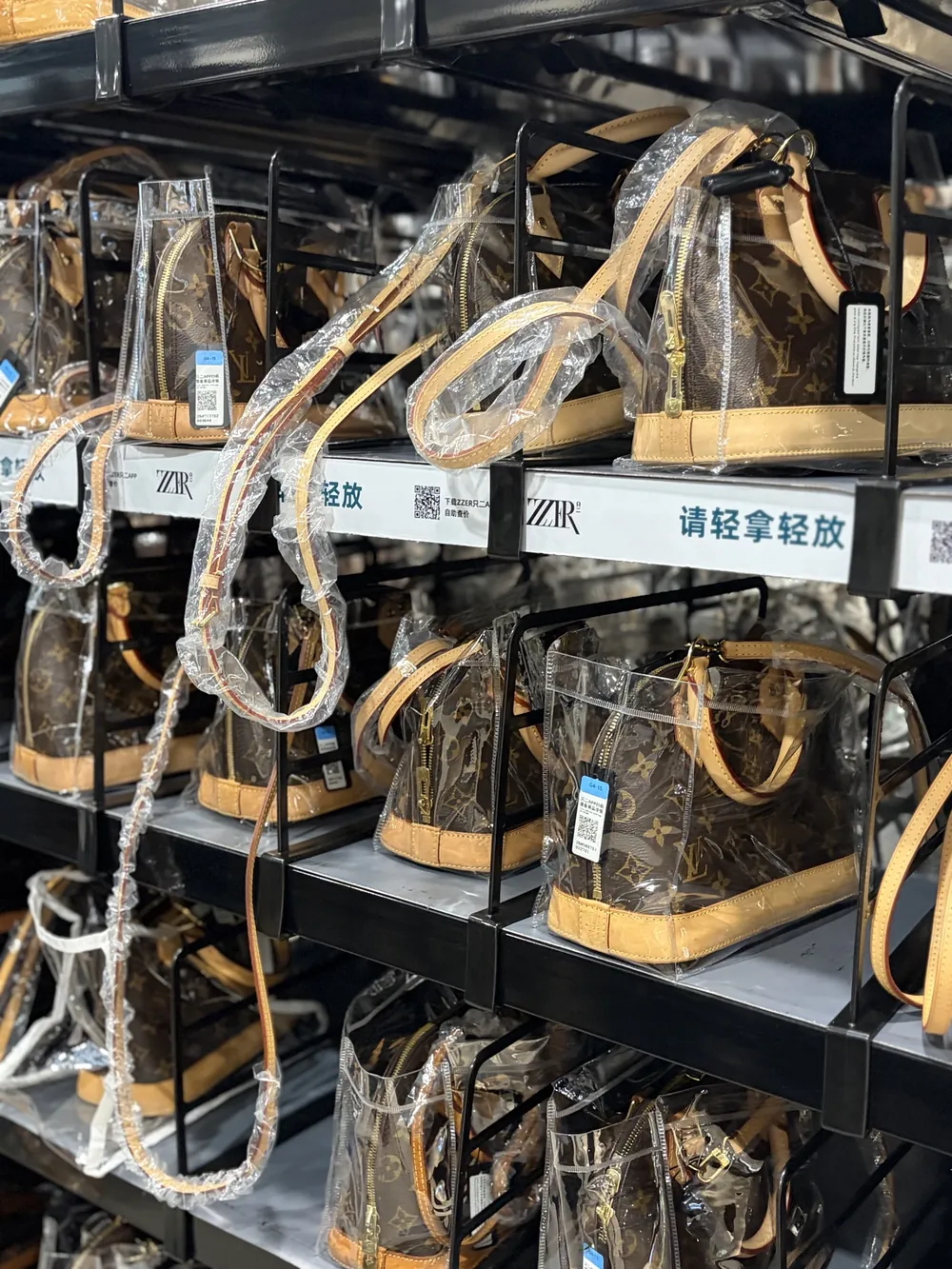
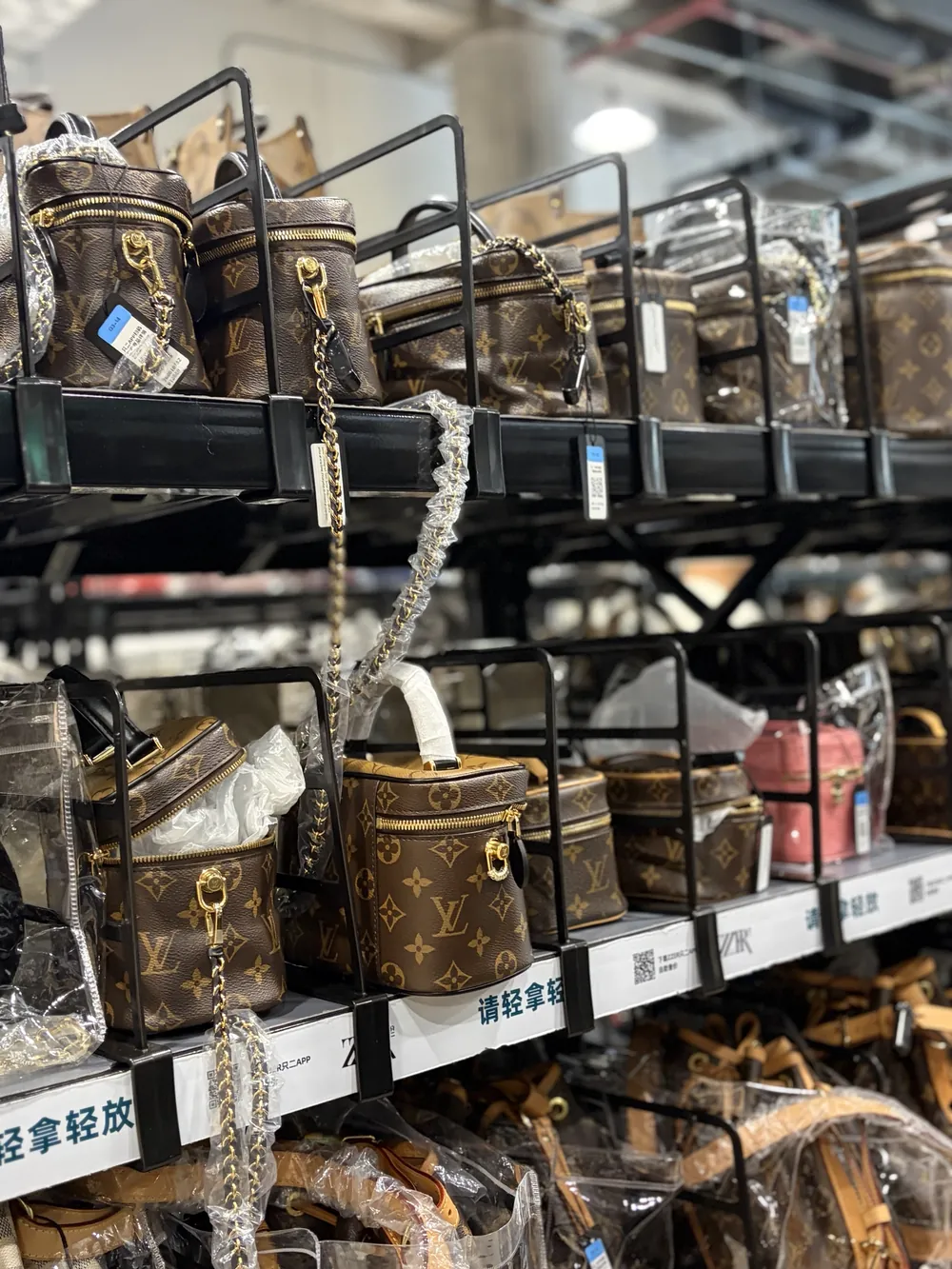
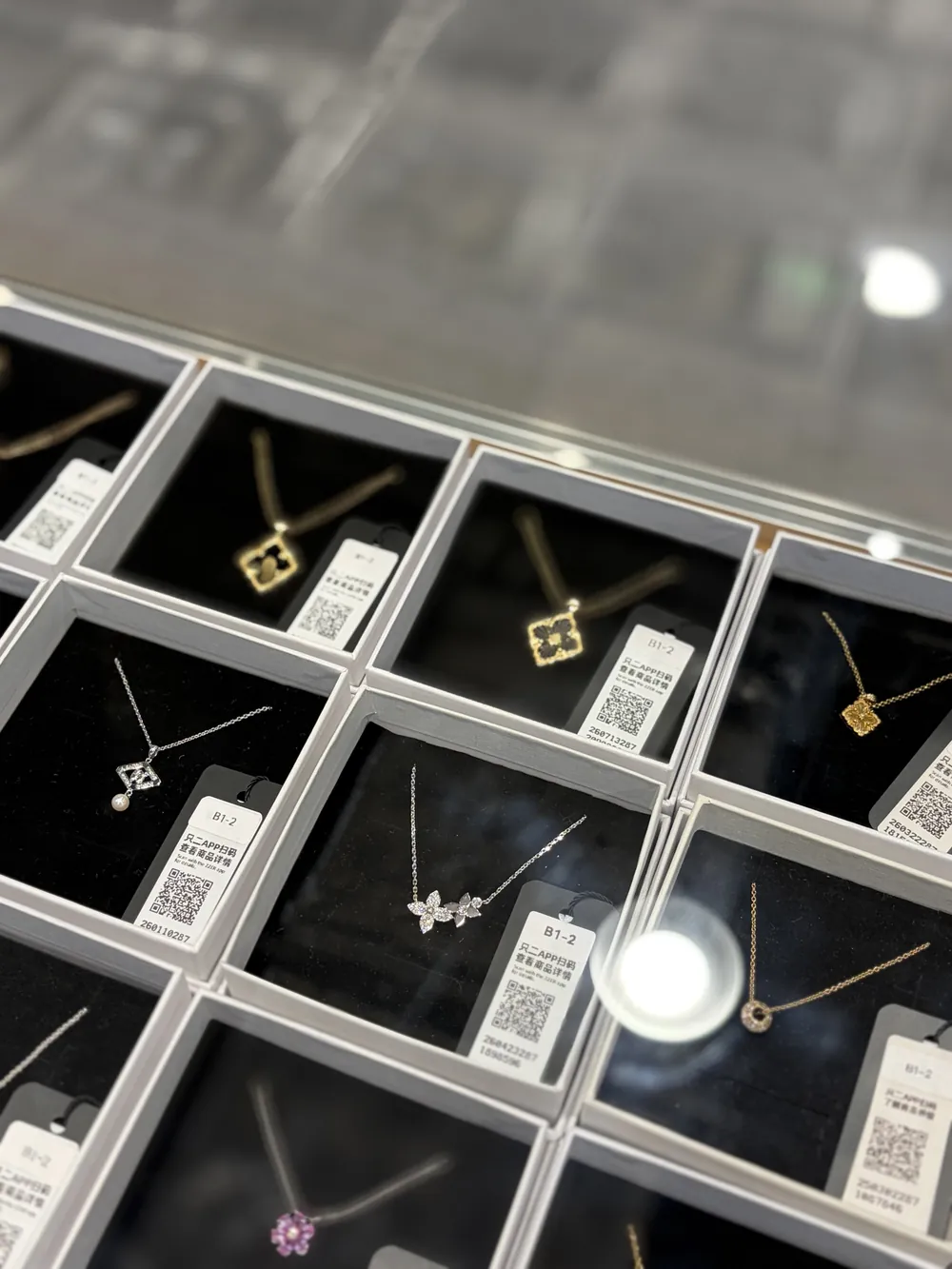
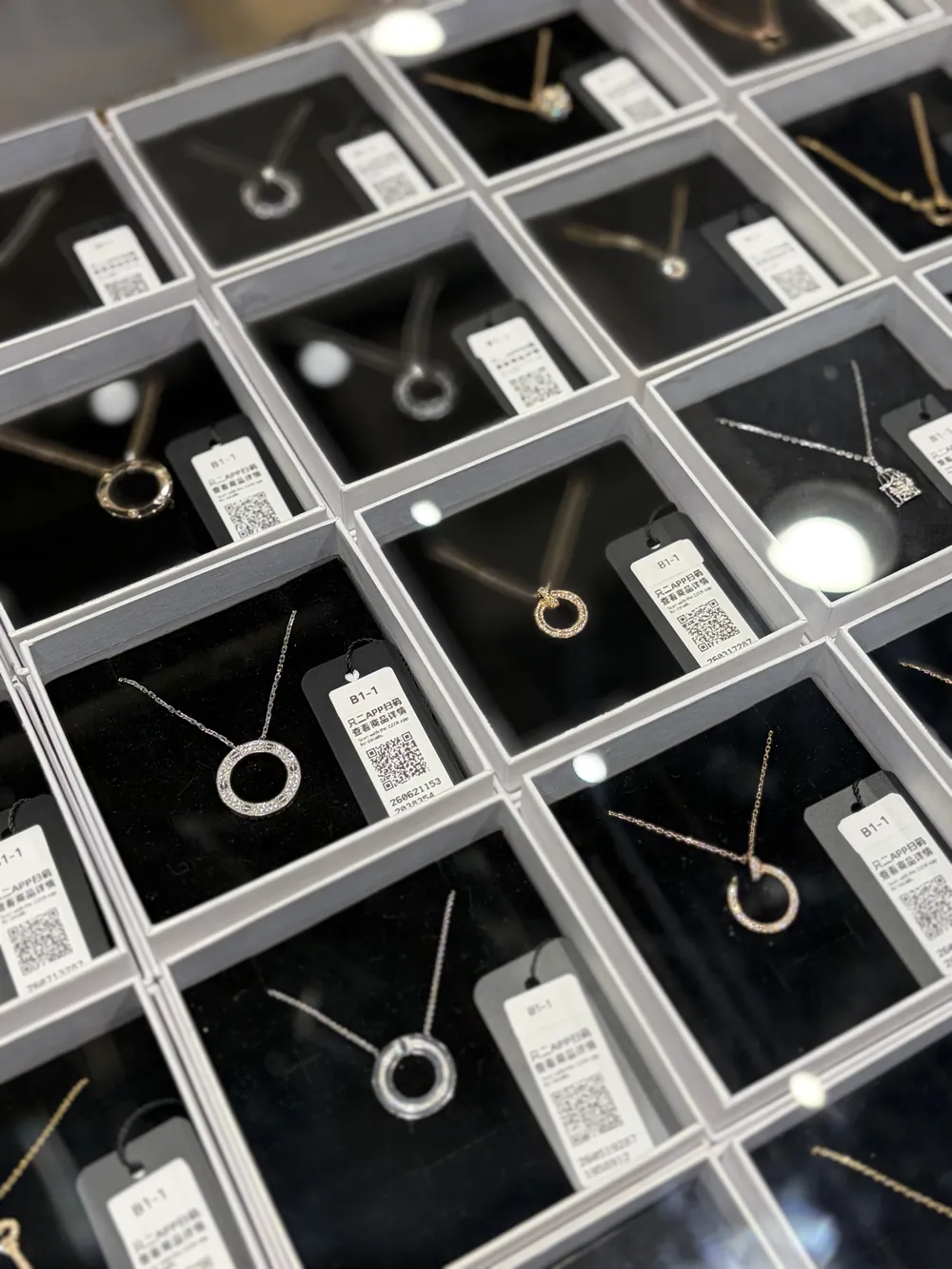
This stood out to us because it is so different from how small, independently run luxury shops usually work. Many of those shops have no proper price tags, and you cannot see at a glance what comes with each item. ZZER, true to China's reputation for technology, lets you scan a code and see the full contents in the app.
Staff cannot memorize the contents and prices of that many products, so the tag takes that burden off them. And if the app counts which items customers scan most often, the store would know in advance which pieces are popular, which get lots of views, and which might need a small price cut to sell. We think it is a very smart system.
The Blackstone corner
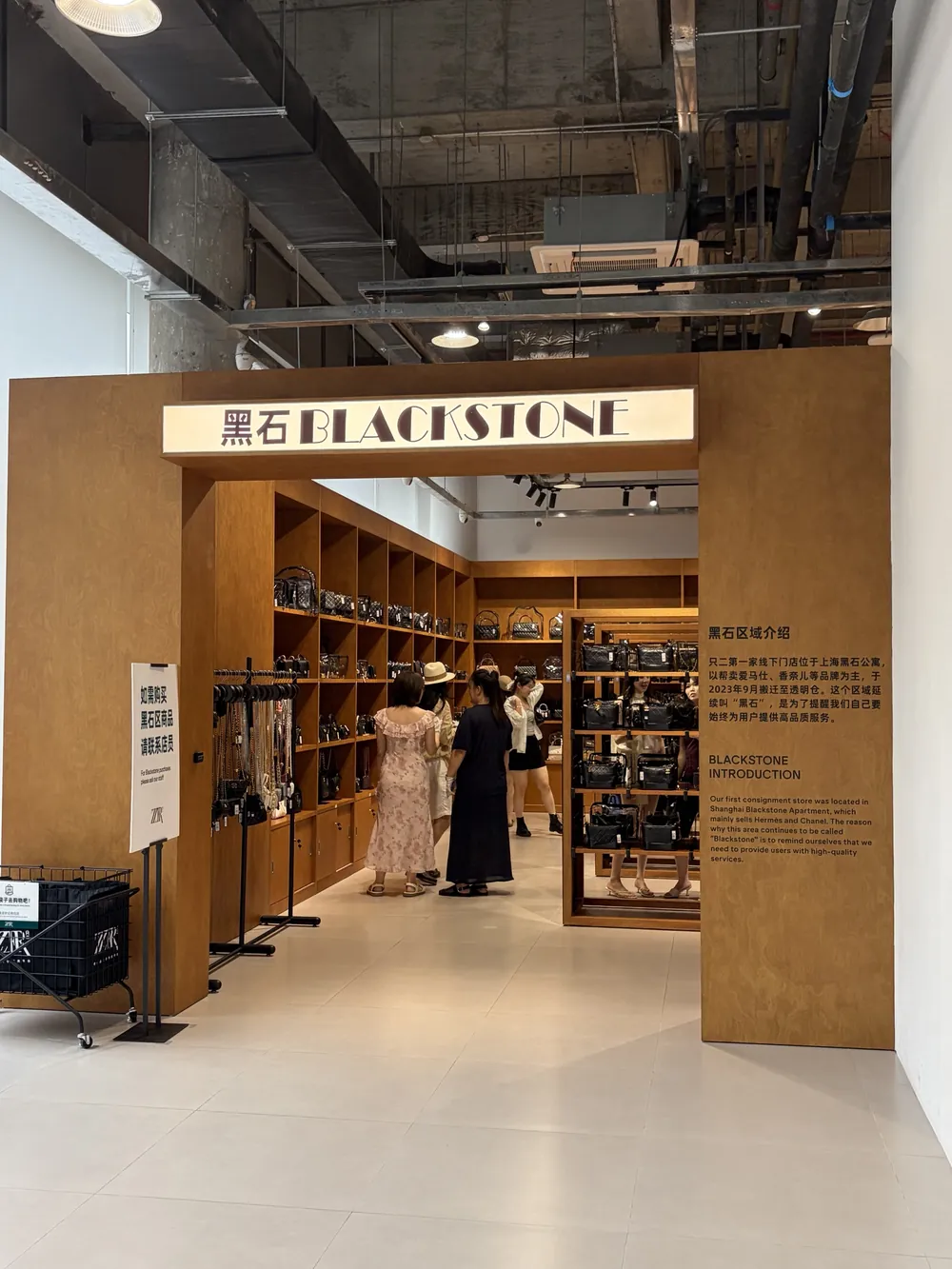
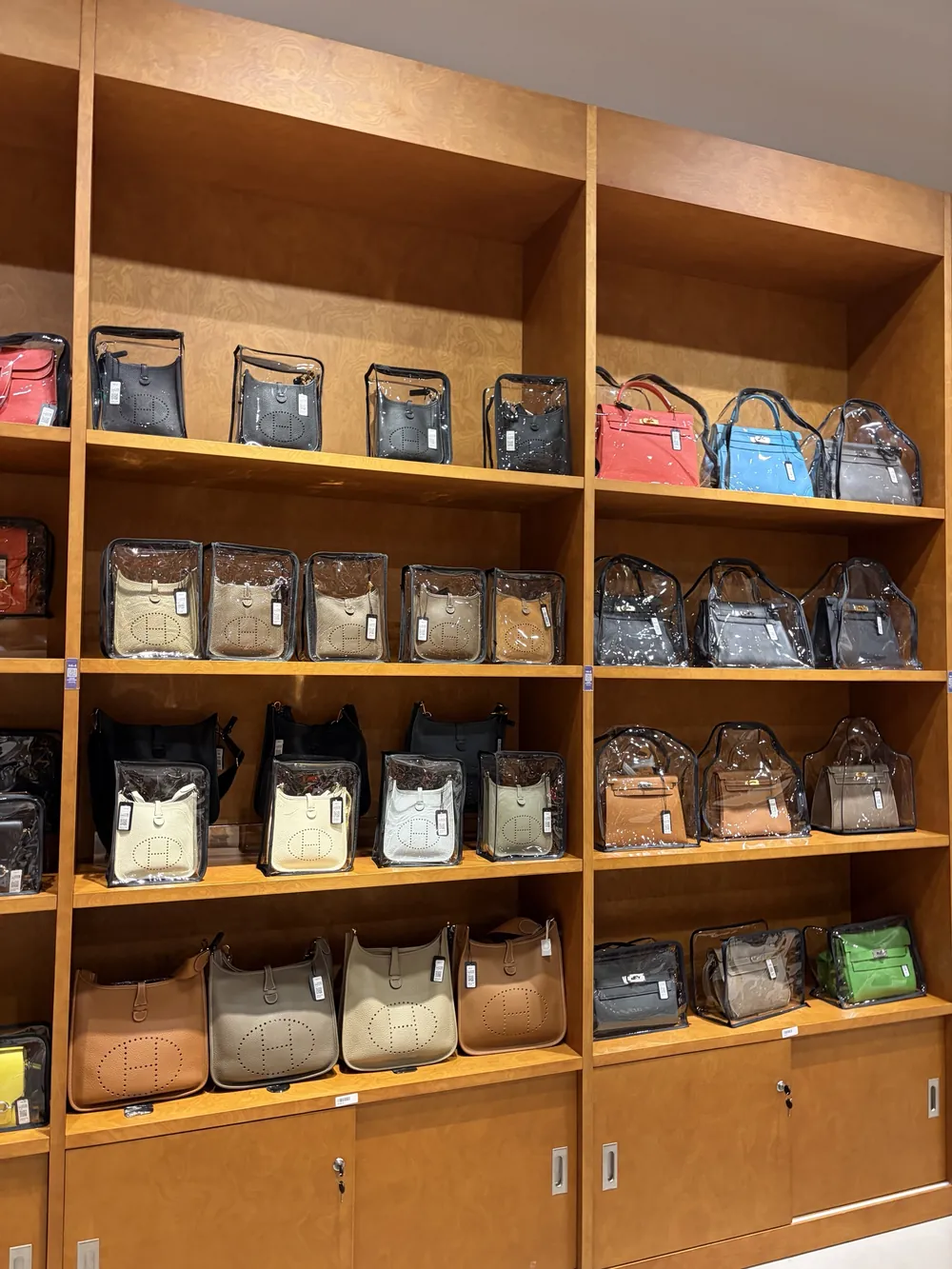
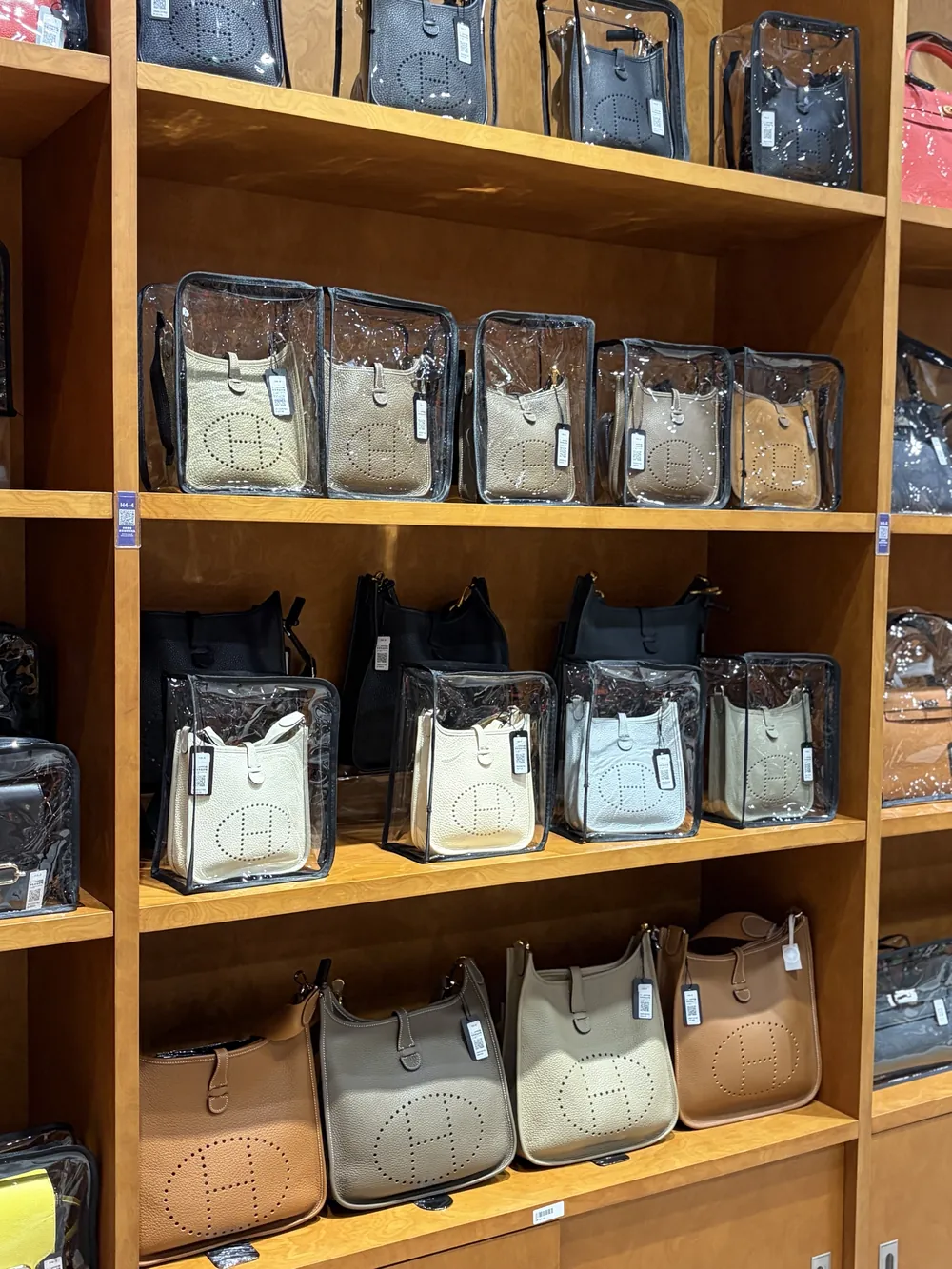
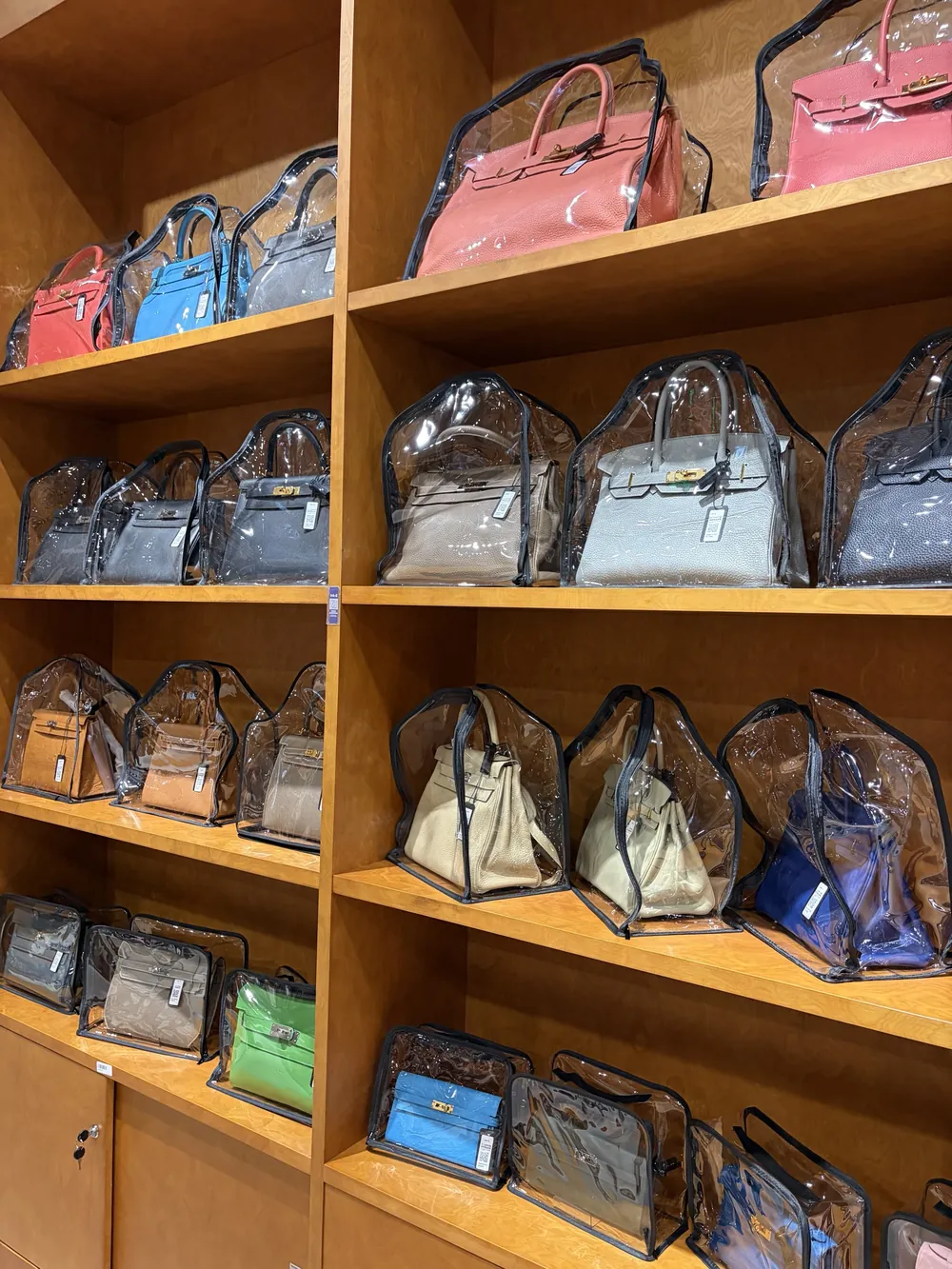
One section is called "Blackstone." Its sign explains that ZZER's first consignment store was in the Blackstone Apartment in Shanghai and mainly sold Hermès and Chanel. The company kept the name after moving to its current space as a reminder to keep providing high-quality service. Here, Hermès Evelyne, Kelly and Birkin bags line up in clear covers, and the Chanel pieces are sorted by color.
The opposite approach: The RealReal in Los Angeles
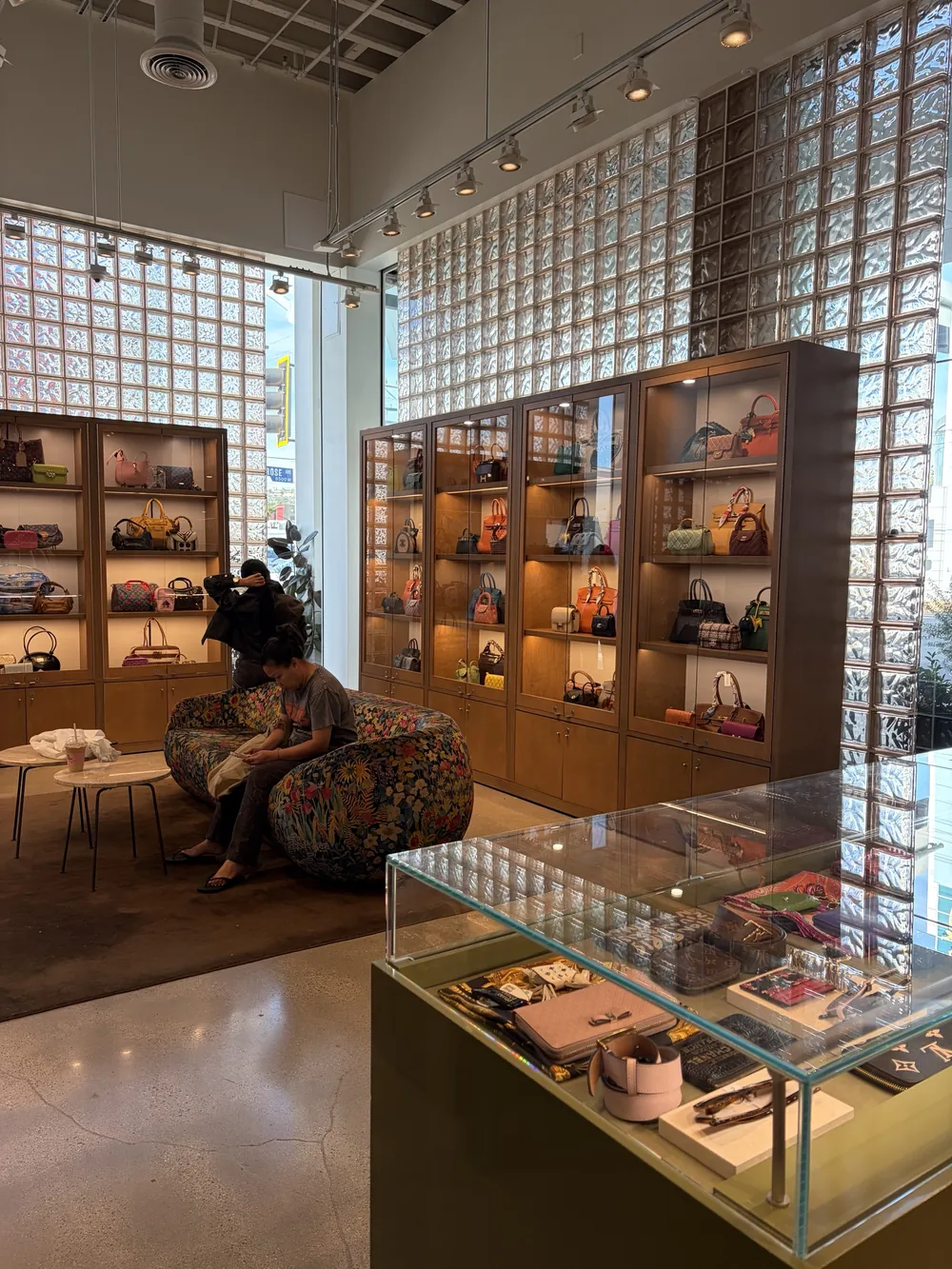
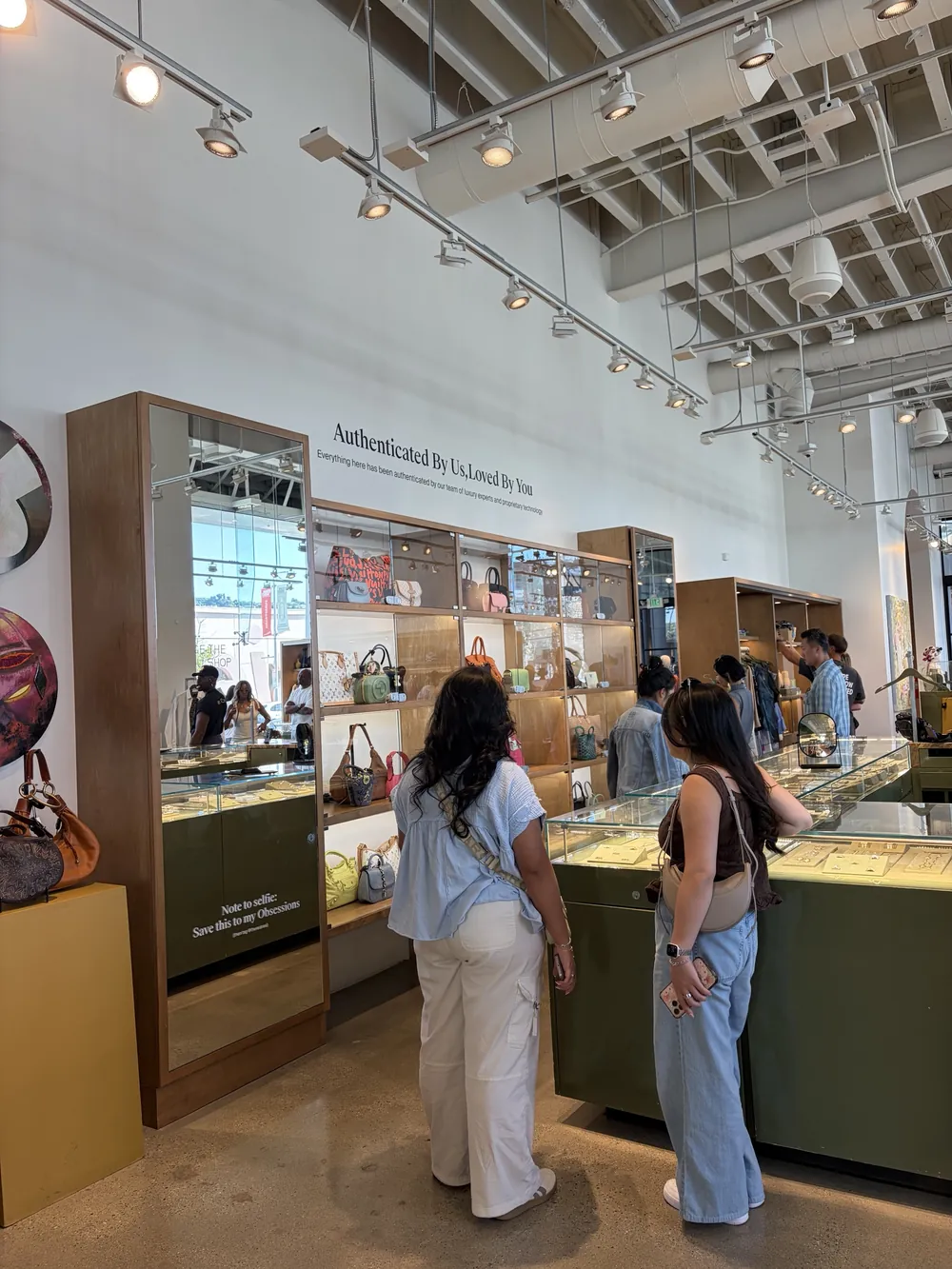
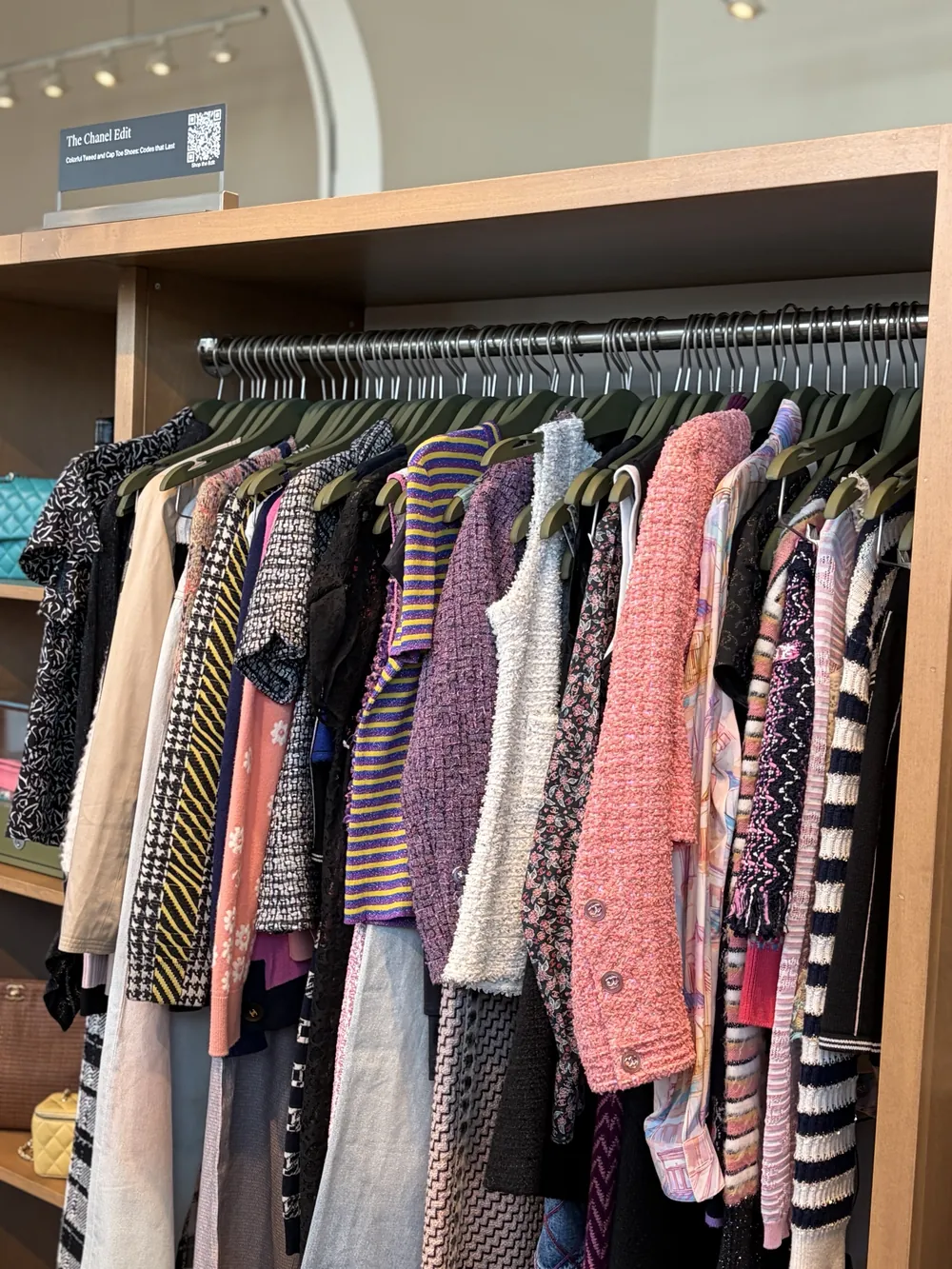
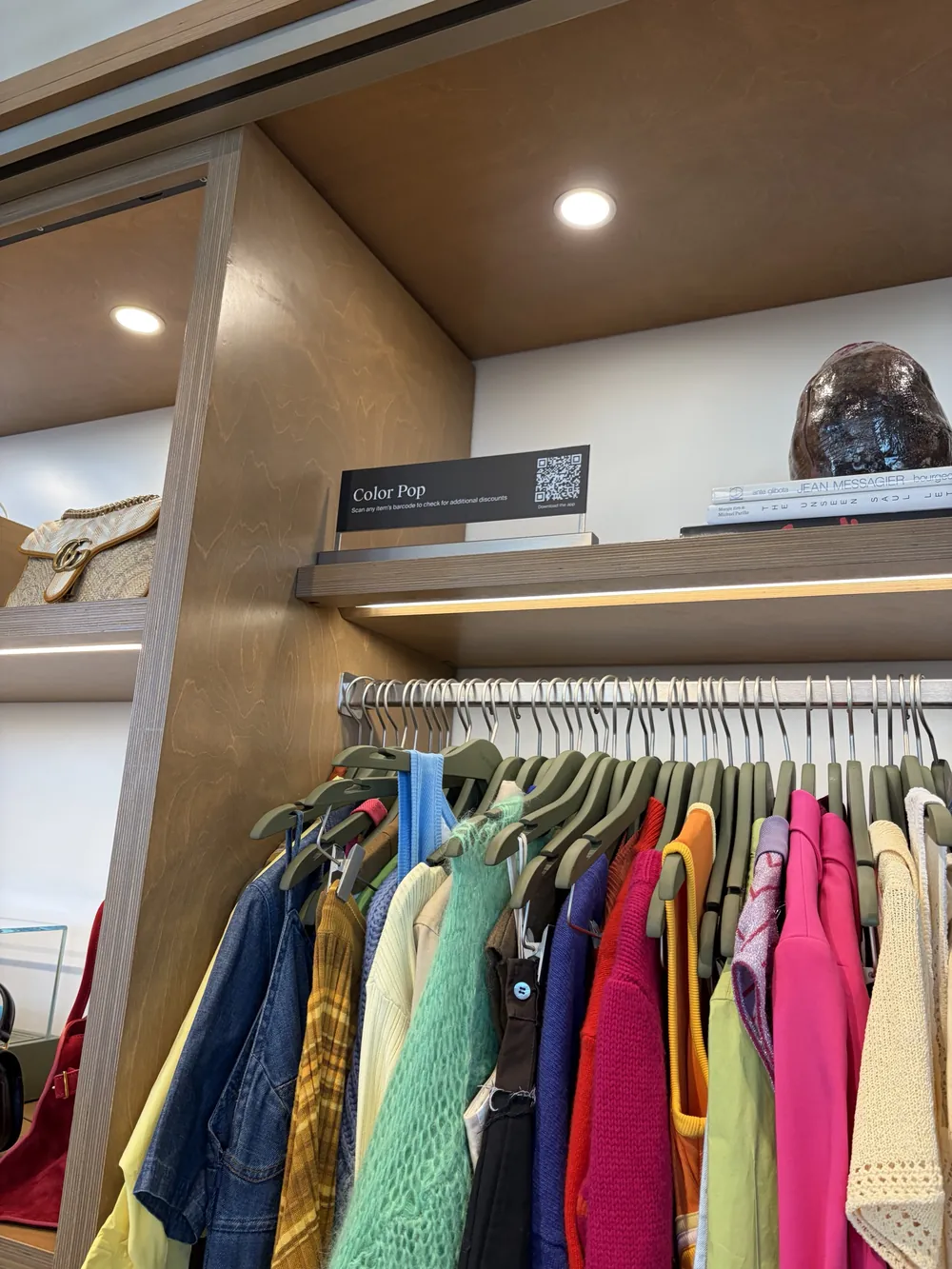
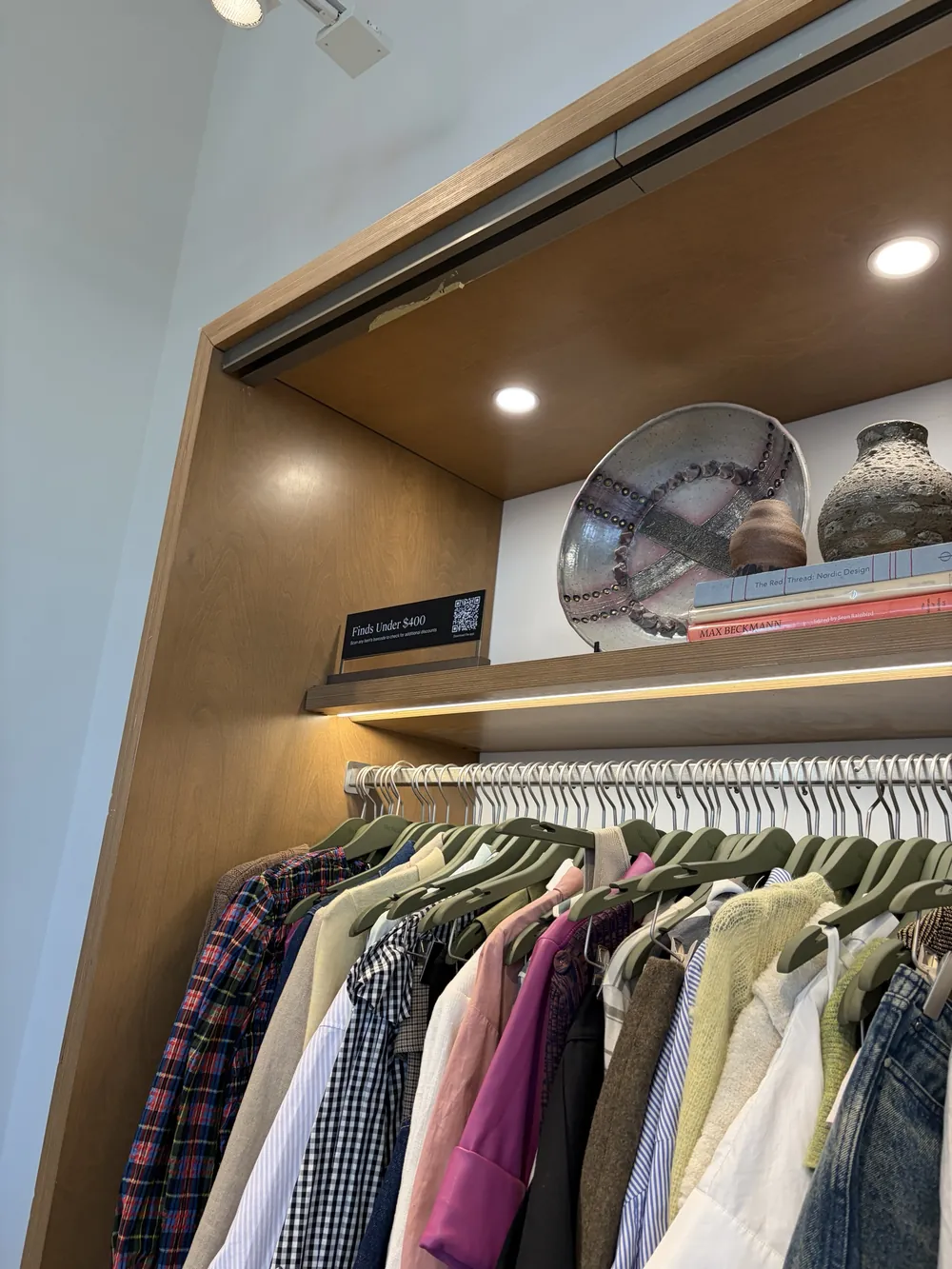
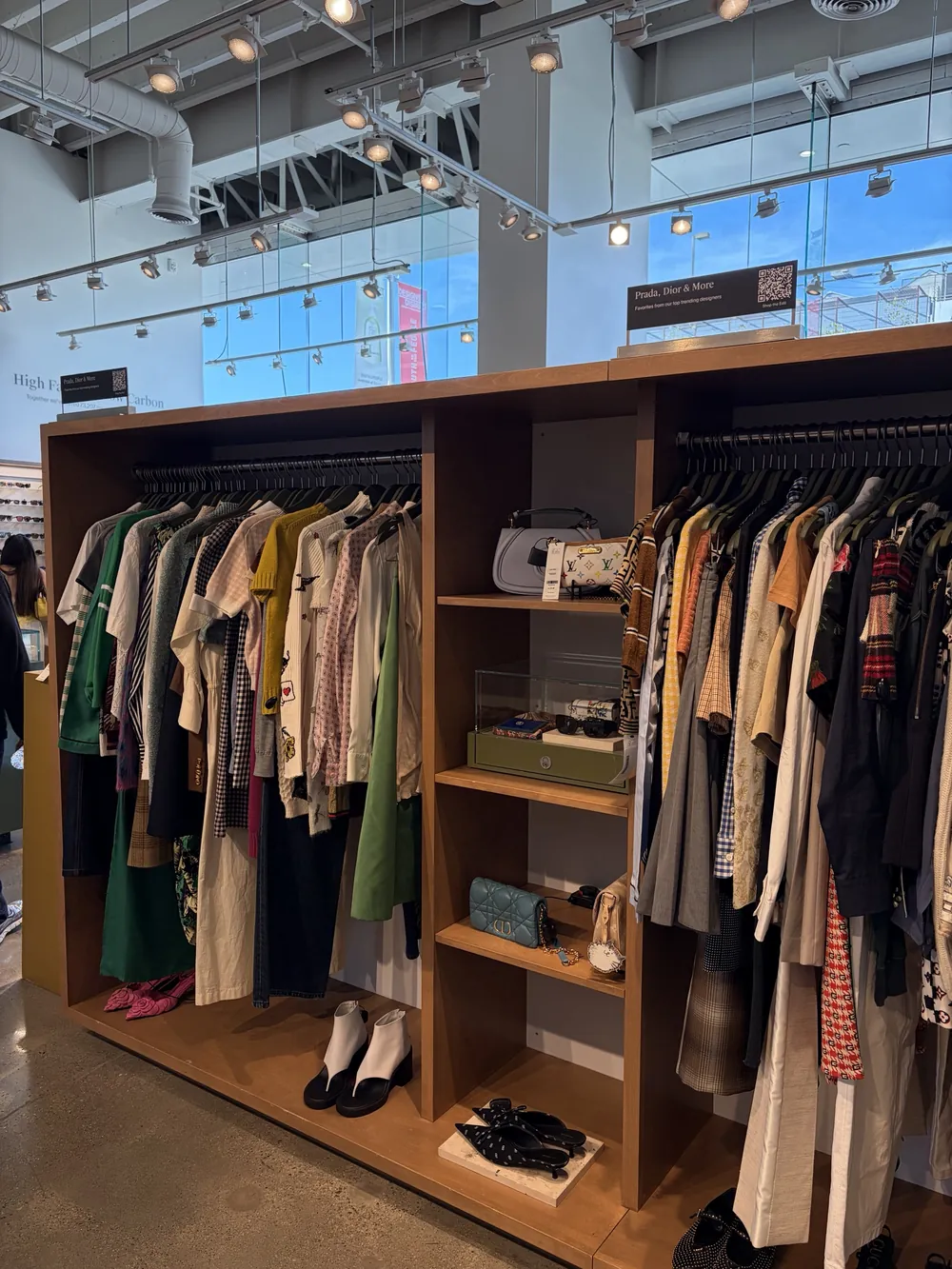
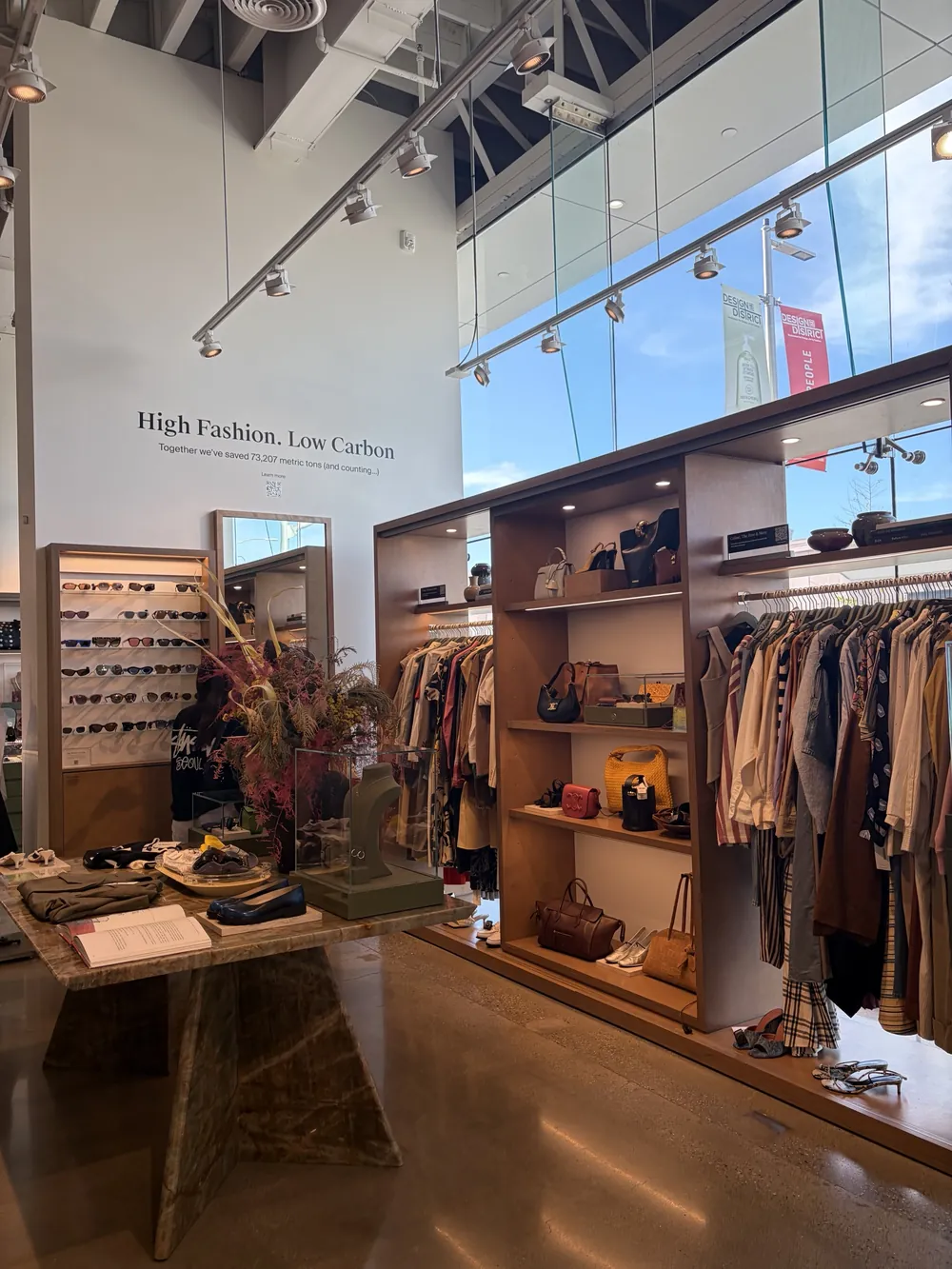
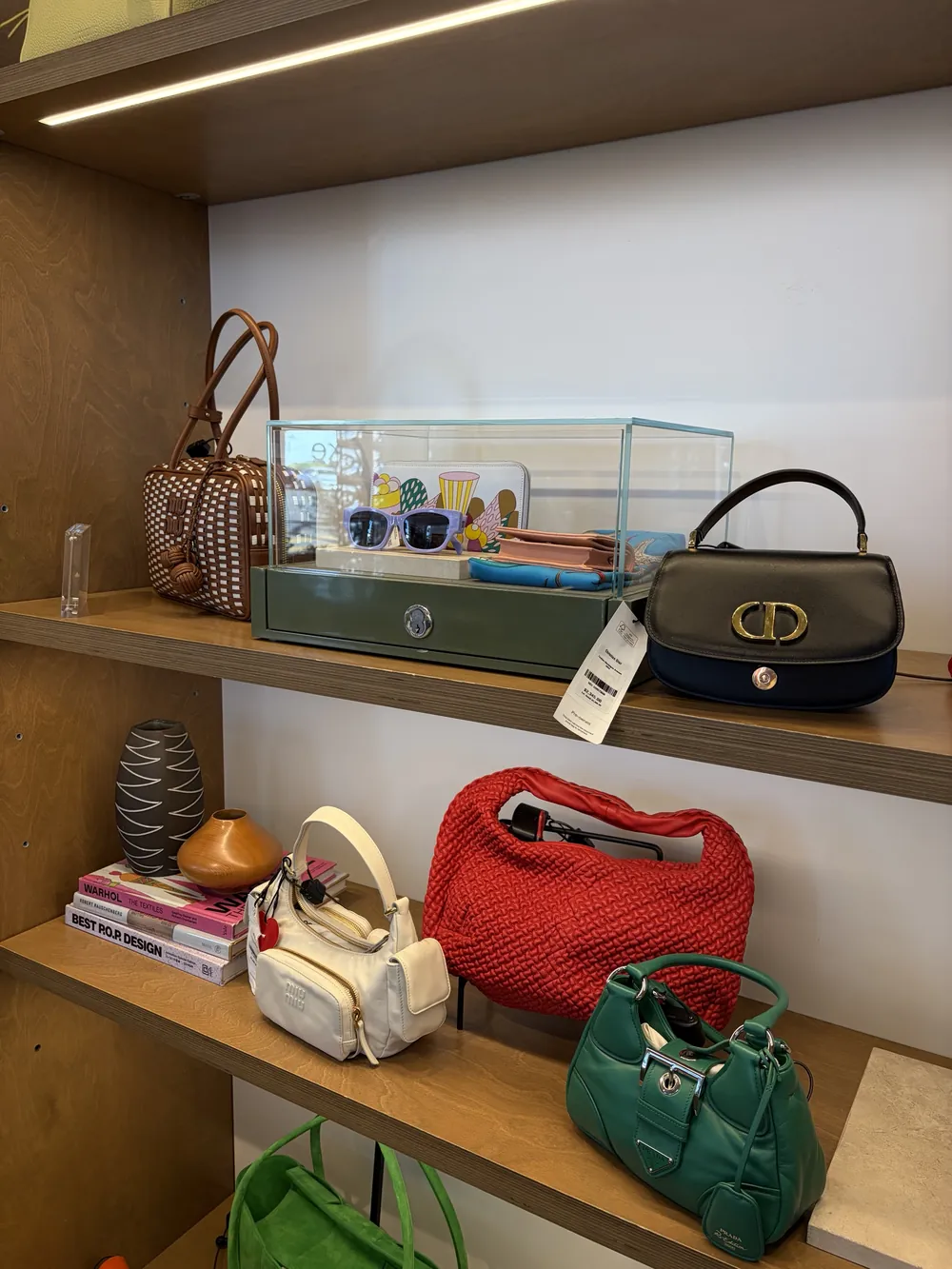
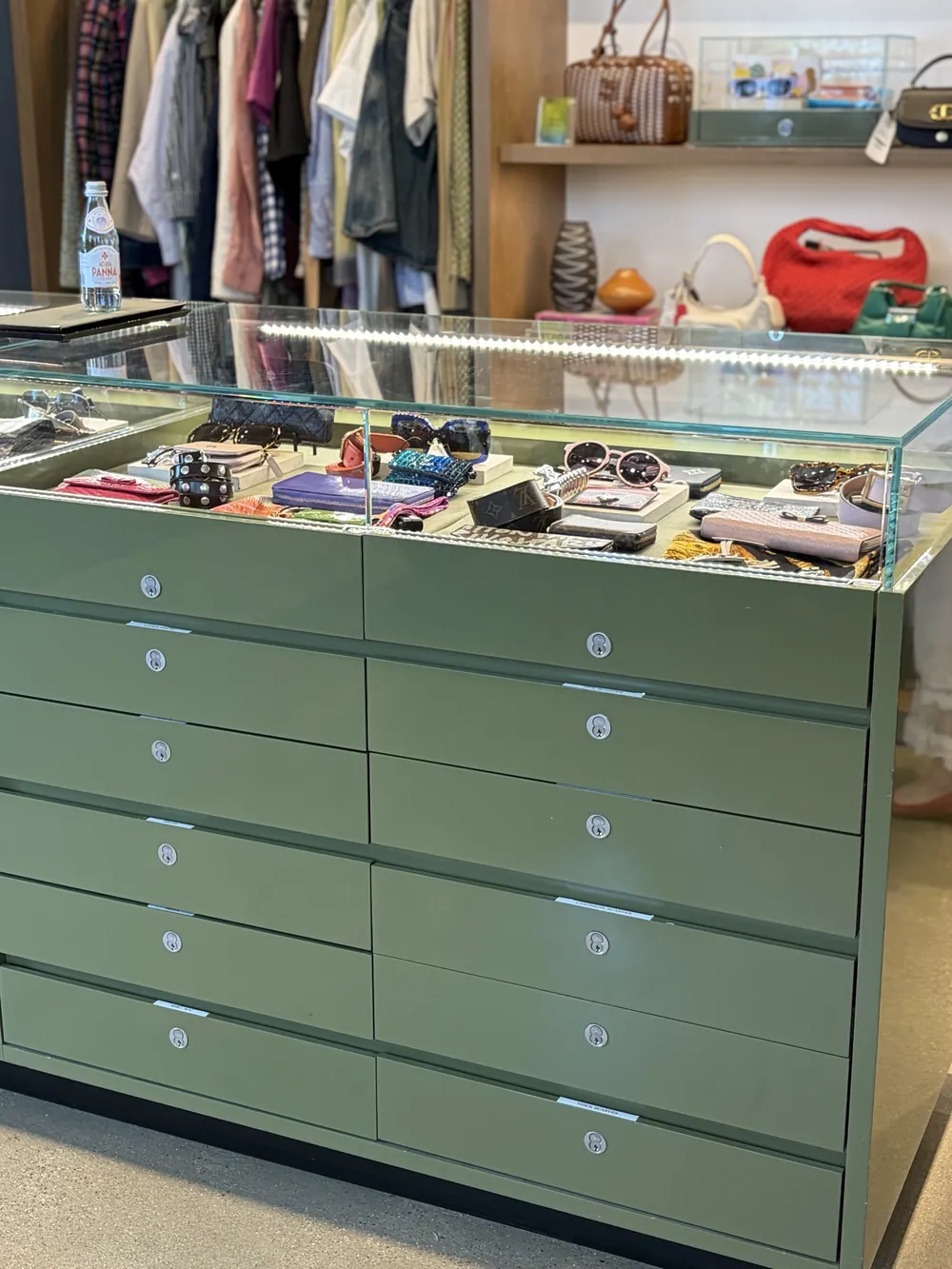
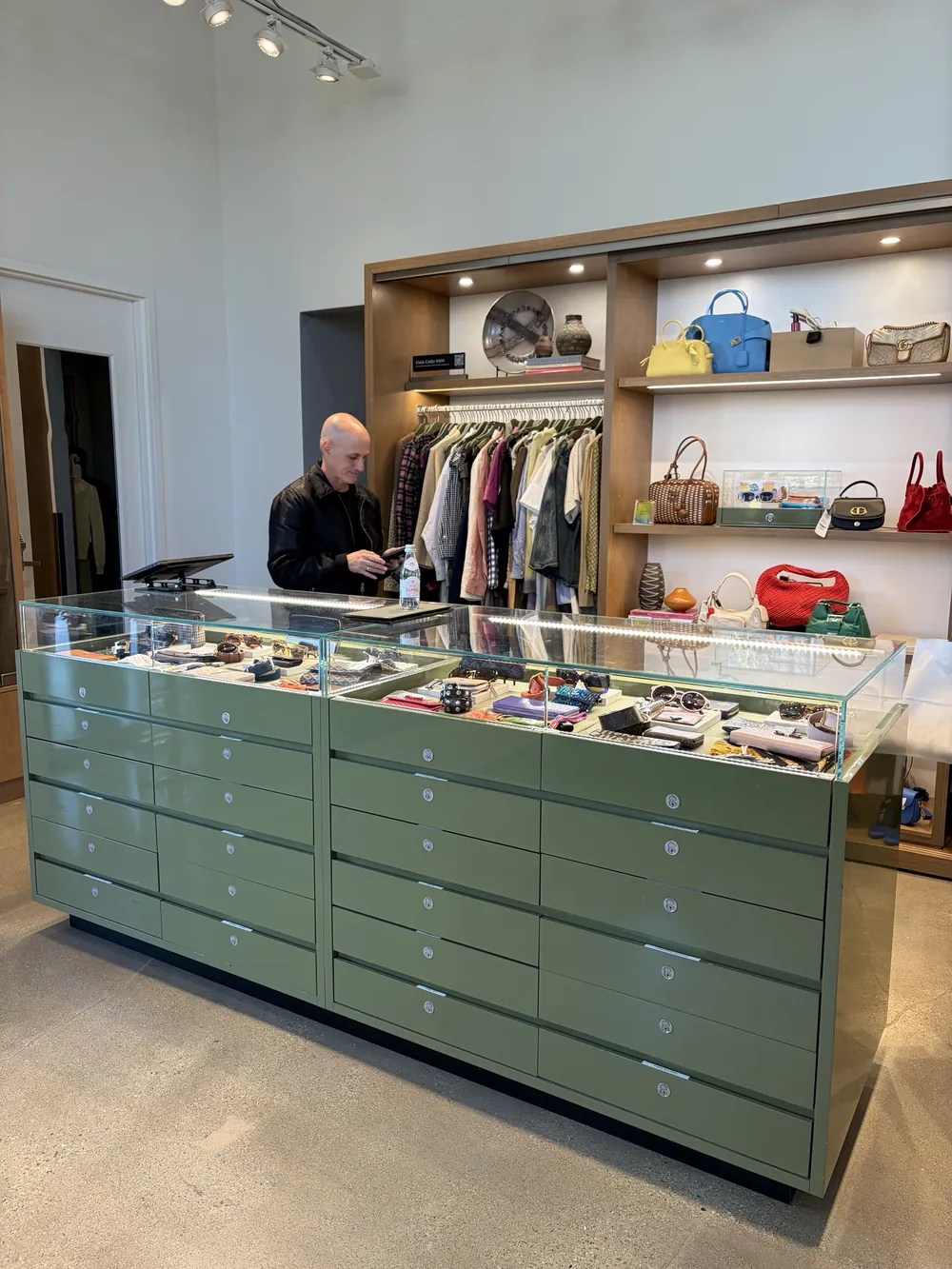
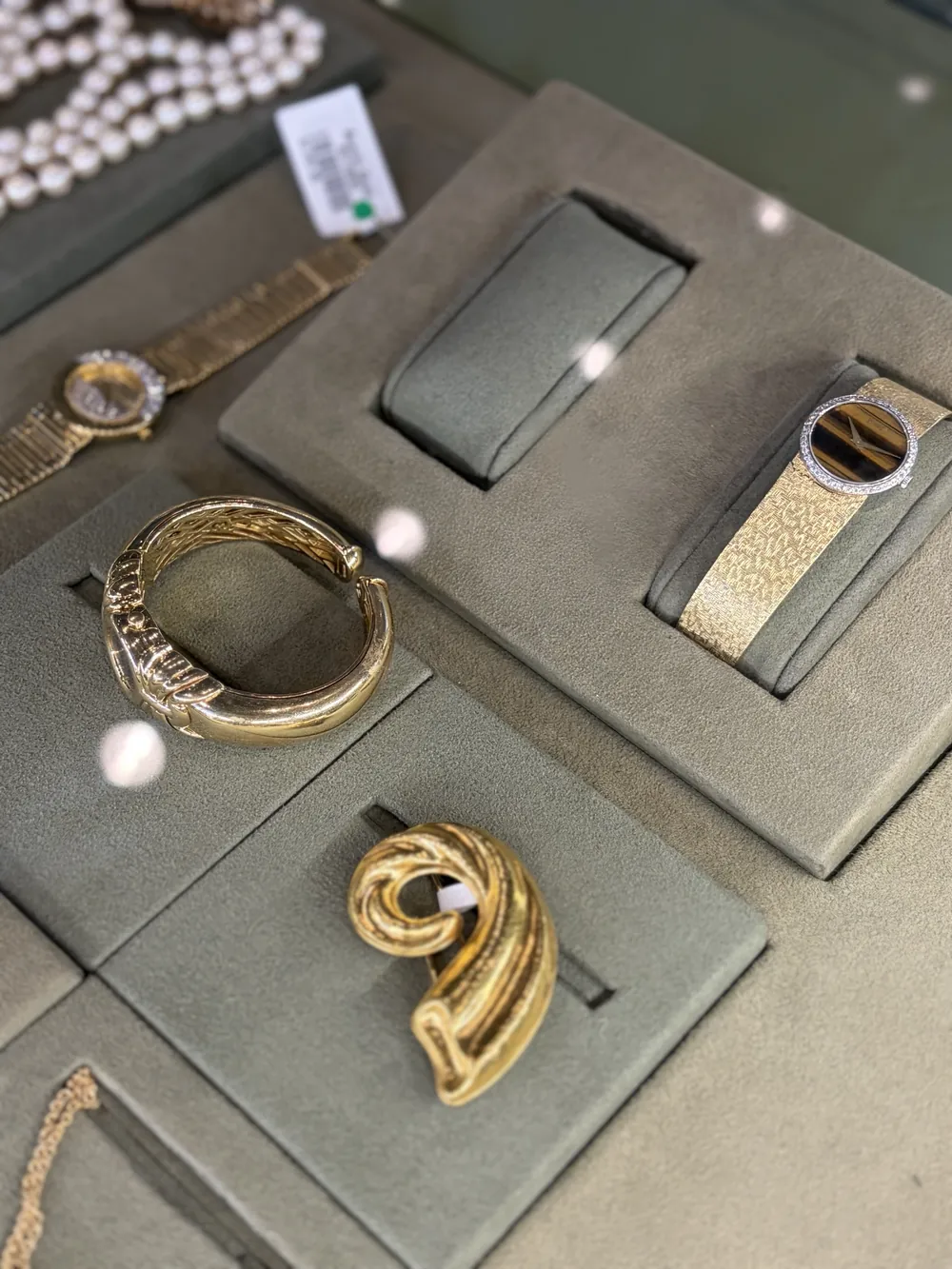
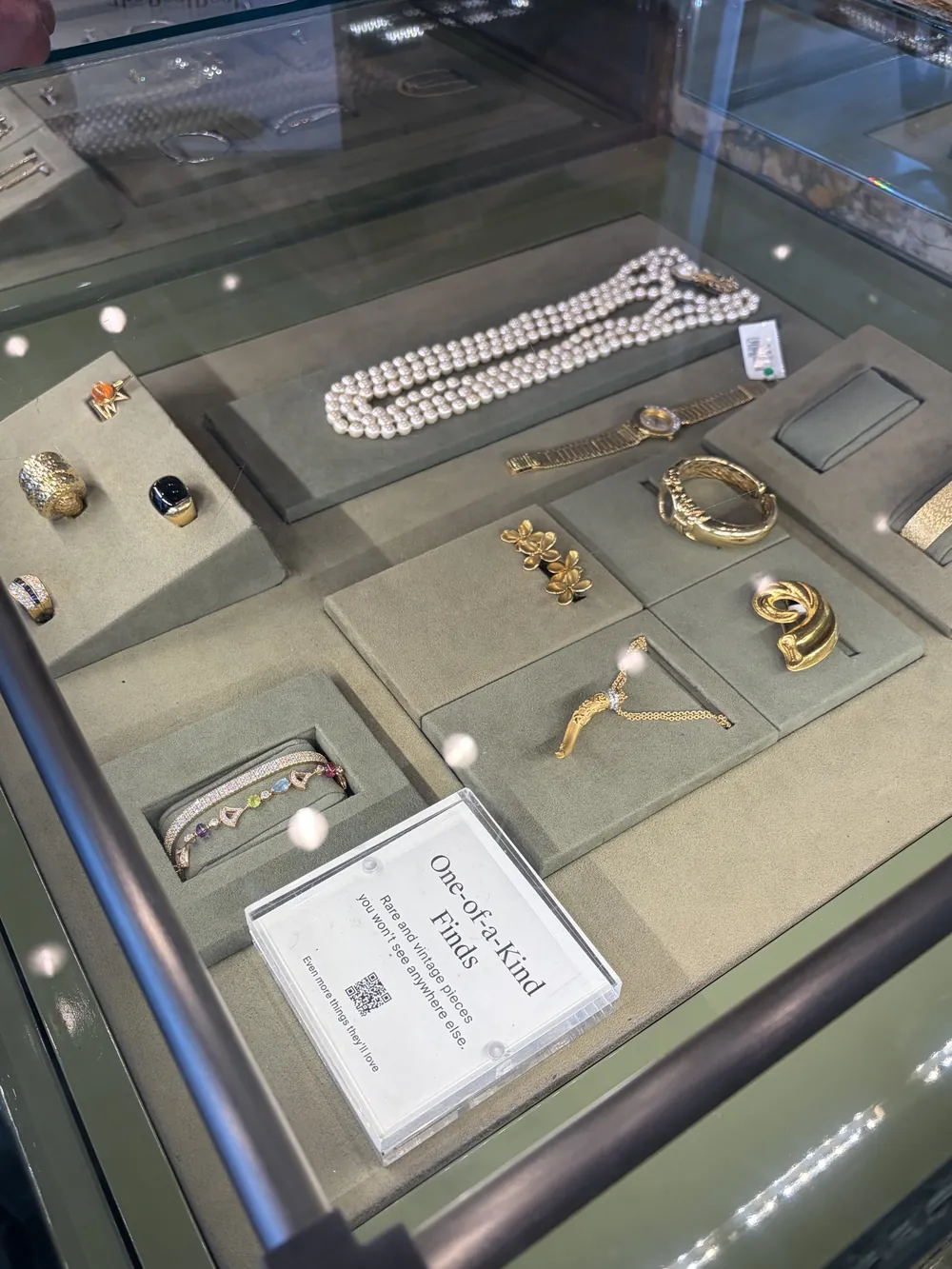
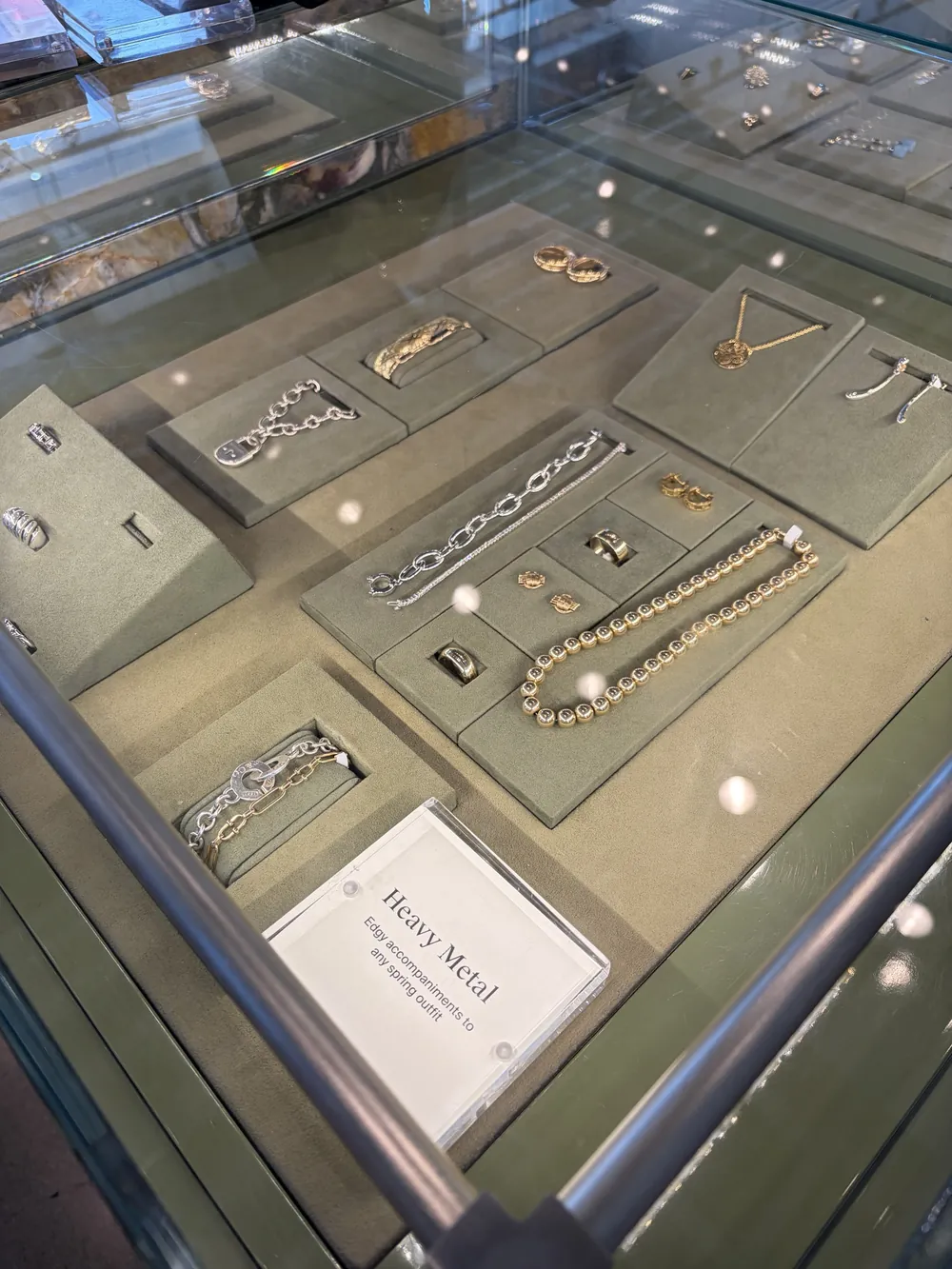
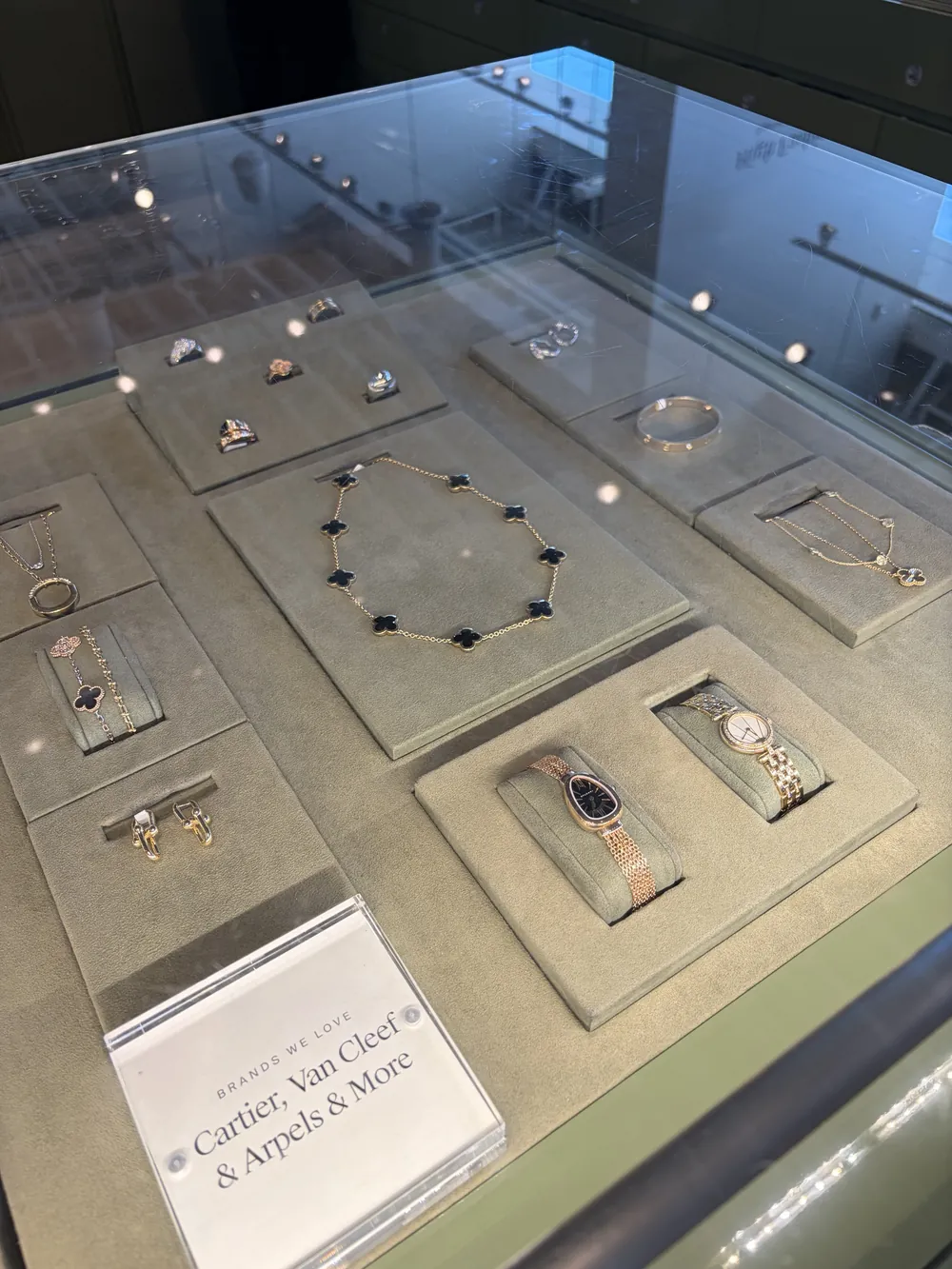
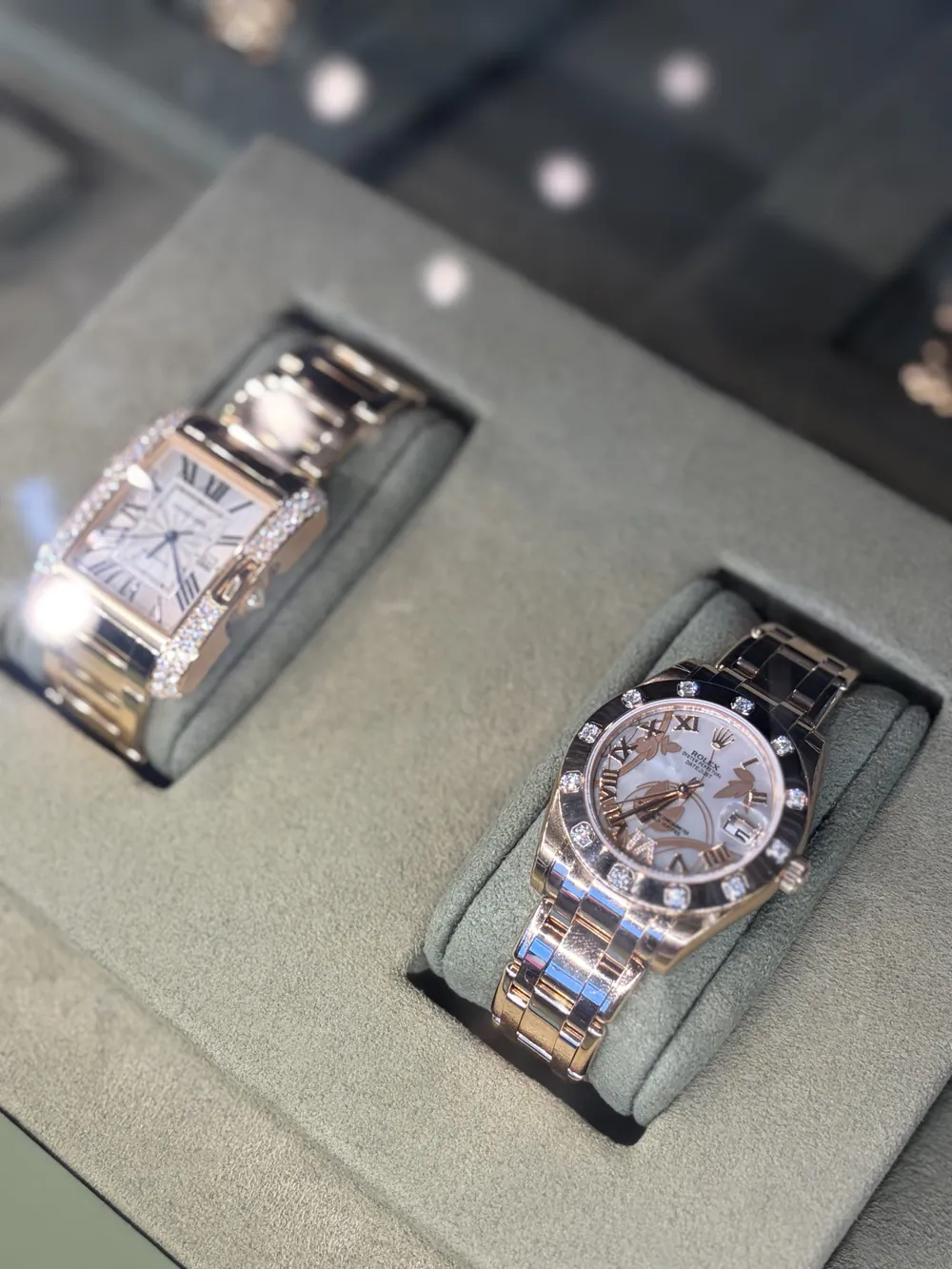
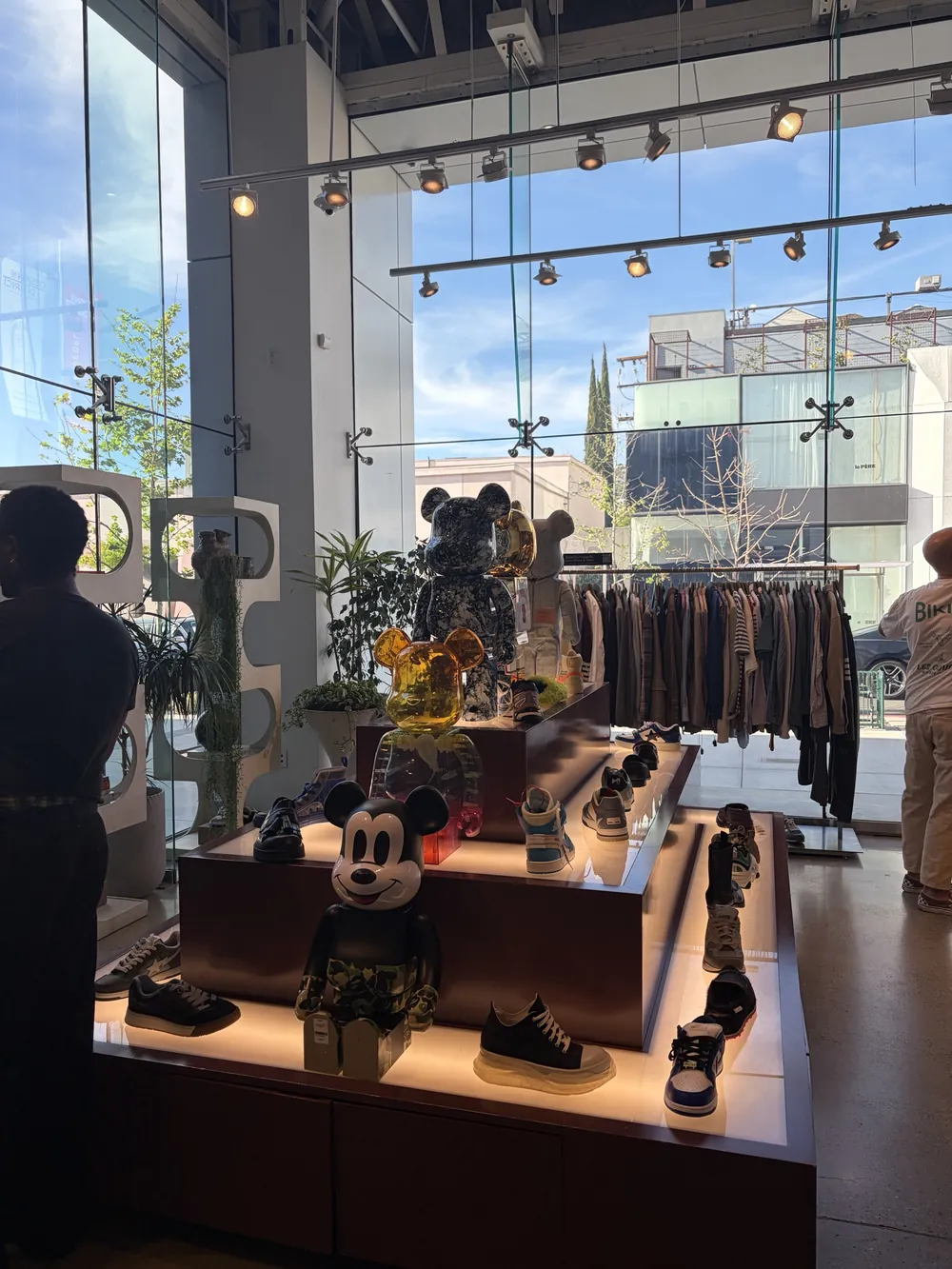
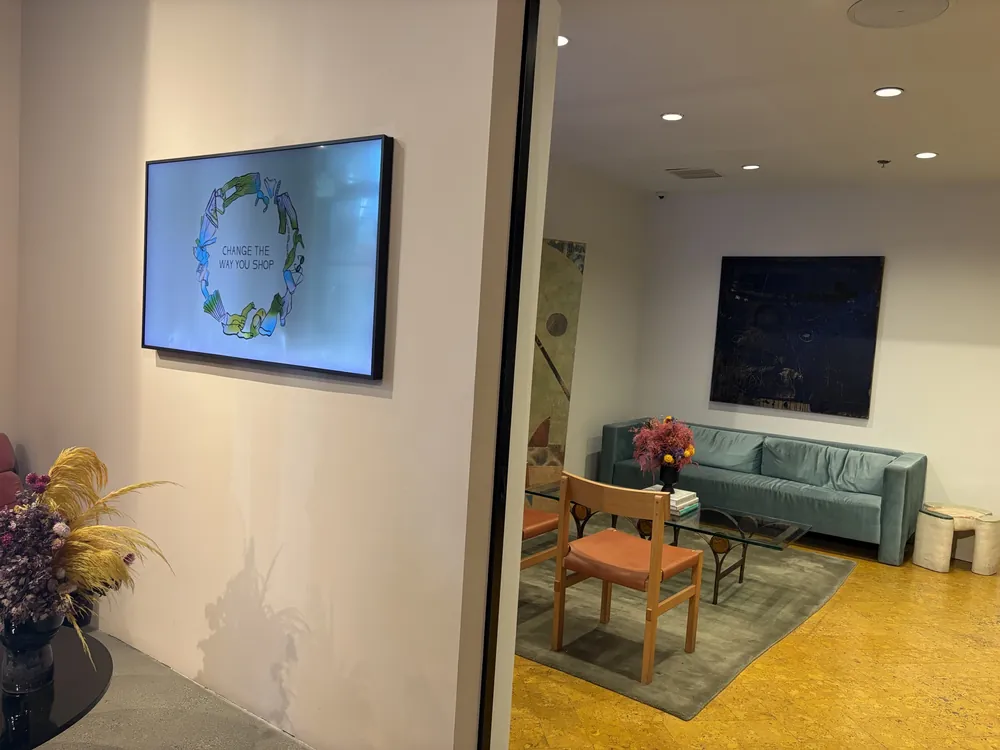
When we visited The RealReal's store in Los Angeles, the feeling was entirely different. The products were not packed tightly. Instead, only a small, carefully chosen selection was displayed, arranged by theme. Pre-owned luxury shops in Japan and Korea typically fill the shelves as densely as possible so customers can choose from a huge selection. The RealReal did the reverse. It removed as much as it could and branded the store to feel like a brand's own flagship boutique.
Which is better?
We have talked about this internally, too. It depends on what the customer came to do.
Warehouse-style suits customers who already know what they want. You can line up the same model side by side and compare color, condition and price, and you leave confident that you chose well.
Curated-style suits customers who haven't decided. With fewer options, the store seems to have chosen for you, and the brand experience becomes part of what you are buying.
One more point: a sparse display does not necessarily mean small inventory. The RealReal sells mainly online, so the store may act as a showroom for a much larger online stock. If so, the real contrast is not just how the items are displayed, but what role the store plays. At ZZER, the store is the inventory. At The RealReal, the store is a stage for the brand.
Our conclusion
Personally, we prefer the warehouse model, both as shoppers and as business owners in the same industry. Customers can compare prices and information directly, which gives them peace of mind, and the business gets data on which items attract attention. In pre-owned luxury, trust comes less from atmosphere than from information you can check.
Visit One of One: 336 Apgujeong-ro, Unit 109, Seoul · Mon–Sat 11:30–19:00 · Selling inquiries: +82 10-8995-7062
Have a question about your jewelry?
For authentication, buying, selling, or any other question about your jewelry, please reach out to us below.
Chat with an Expert